
eSIM vs Physical SIM: Which Is Better in 2026?
eSIM vs Physical SIM: The Short Answer
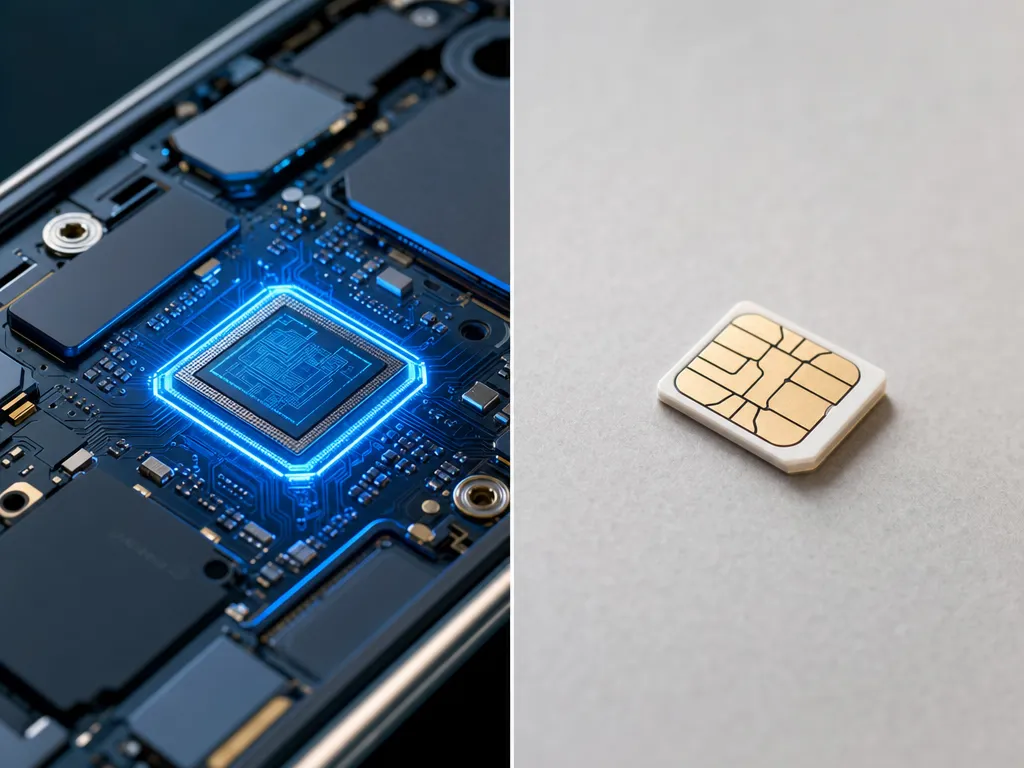
For most people in 2026, an eSIM is the better choice. It activates in minutes, can't be lost, and lets you carry several numbers on one phone. A physical SIM still has its place if your device is older or you swap your line between phones often.
But that quick verdict hides a lot of detail. The right pick depends on your phone, how you travel, and how much you value security. Let's break it all down.
What Is a Physical SIM?
A physical SIM is the small plastic card you slide into a tray on the side of your phone. It stores your subscriber identity, the data your network uses to know it's really you. For decades it was the only way to connect.
Physical SIMs come in three sizes that shrank over time: standard, micro, and nano. The nano SIM is what most modern phones use. To switch carriers, you pop out one card and insert another.
The strengths are simple. You can move your line to almost any phone in seconds. You can hand a SIM to a friend, or buy one over the counter in a foreign airport with cash. No app, no QR code, no account login.
What Is an eSIM?
An eSIM, or embedded SIM, is a chip soldered into your phone. Instead of swapping plastic, you download a carrier profile onto that chip. One eSIM can hold several profiles, and you switch between them in settings.
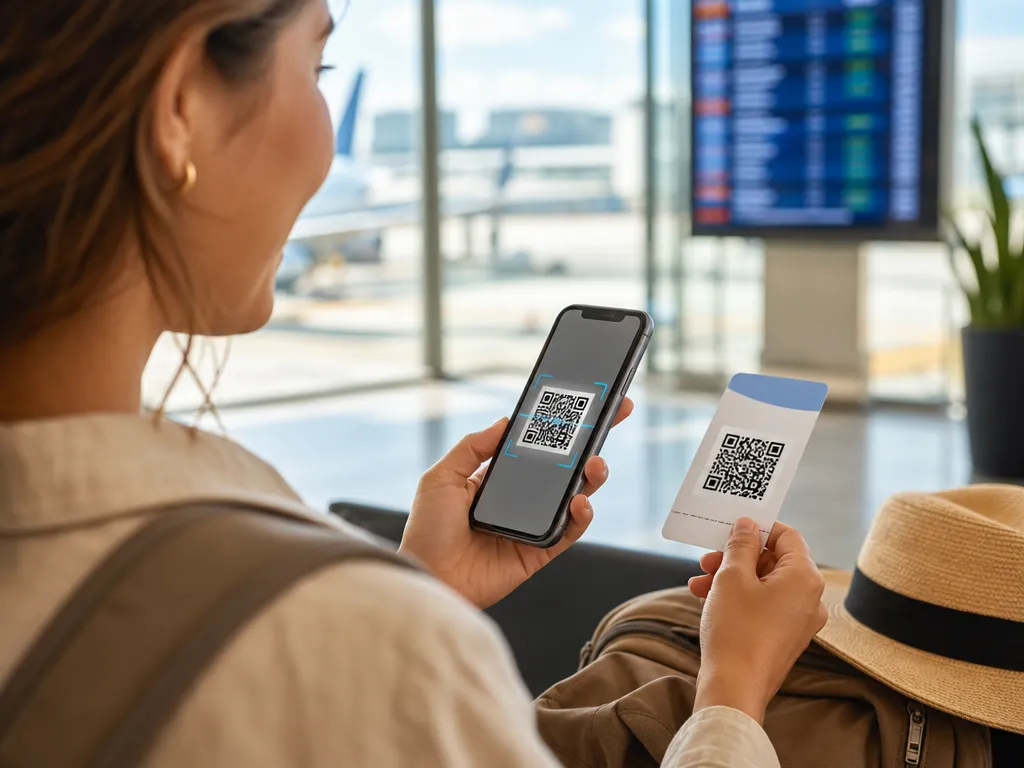
Activation usually happens by scanning a QR code or tapping an install link. Many newer iPhones sold in the United States no longer have a SIM tray at all. They are eSIM only.
This is where travel data shines. You can buy a plan online, install it before you land, and connect the moment you step off the plane. No hunting for a kiosk, no language barrier at a counter.
eSIM vs Physical SIM: Head to Head
Here is how the two stack up across the things that actually matter.
Setup speed
- eSIM: Buy, scan a QR code, connect. Often under five minutes.
- Physical SIM: Wait for delivery or visit a store, then insert and register.
The eSIM wins for anyone who wants service right now, especially before a trip.
Multiple numbers
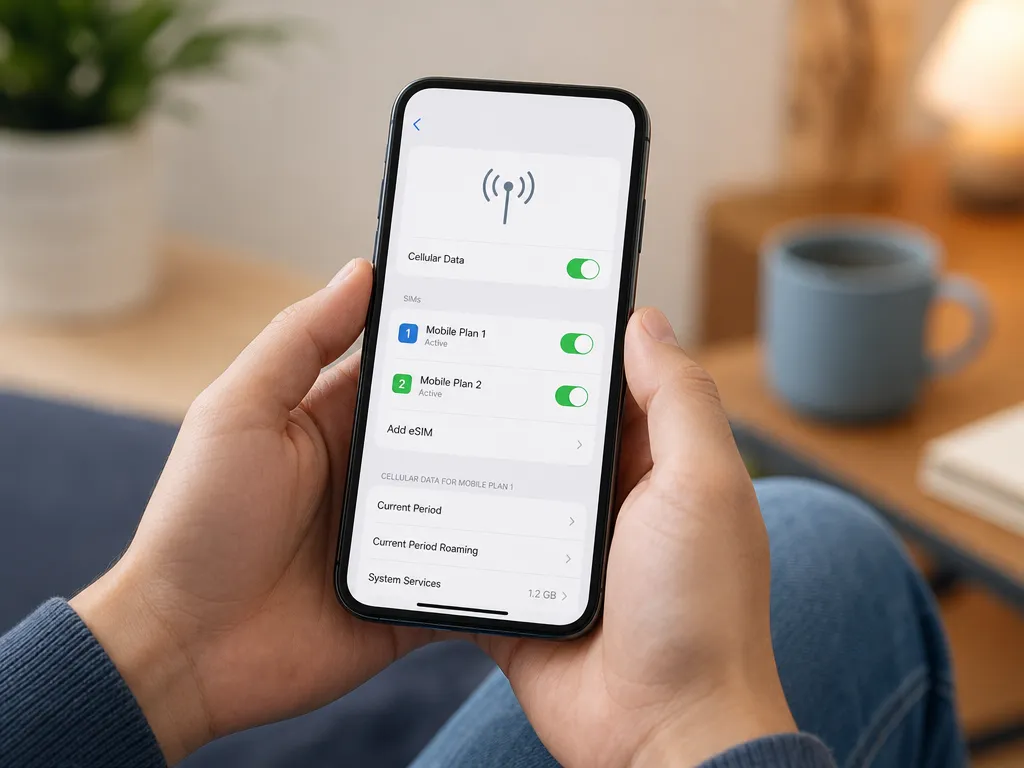
With an eSIM you can store many profiles and run two lines at once on a dual SIM phone. That makes it easy to keep a home number and a travel number active together. A physical SIM gives you one line per card, and most phones only have one slot.
If you manage more than one account or want a separate number for sign-ups, the flexibility of eSIM plus a virtual phone number is hard to beat.
Security
A physical SIM can be stolen, cloned, or swapped by a thief who pops the tray. eSIMs can't be physically removed, so a stolen phone keeps your line locked behind your screen passcode and account.
That said, both can be targets of SIM swap fraud, where an attacker tricks a carrier into moving your number. The defense is the same for both: strong account passwords and app based two factor authentication.
Durability and loss
There is nothing to lose with an eSIM. No tiny card to drop on the airport floor, no tray pin to misplace. A physical SIM is small and easy to damage or lose during a swap.
Travel: Where the Gap Is Widest
This is the real reason the eSIM conversation took off. International roaming on your home physical SIM is often painfully expensive. The classic fix was buying a local SIM abroad, which means finding a shop, showing ID, and sometimes waiting hours for activation.
An eSIM removes all of that. You buy a data plan for your destination before you leave home, install it, and switch it on when you arrive. Your home line stays in the phone for calls and texts, while the travel eSIM carries your data.
This is exactly what SMSBulk eSIM, our own travel eSIM store, is built for. You get plans for 200+ destinations with transparent pricing, instant QR delivery, and direct install on iOS. No surprise fees, no counter visits. If you want a deeper rundown, our guide to the best eSIM for international travel in 2026 walks through choosing the right plan.
One catch travelers should know
Travel eSIMs are data only. They give you fast internet but usually not a phone number that can receive SMS. That matters when an app wants to text you a verification code while you are abroad.
The clean solution is to pair your data eSIM with a virtual number. SMSBulk runs both from one account and one wallet, so you can hold a data plan for your trip and a number for receiving codes on services like WhatsApp, Telegram, and Google. We cover this in detail in can an eSIM receive verification SMS.
Cost Comparison
Neither option is universally cheaper. It depends on use.
- At home: A physical SIM on a long term carrier plan is usually the best value for a primary line with calls, texts, and lots of data.
- Abroad: An eSIM travel plan almost always beats roaming on your home physical SIM, and it beats the hassle of a foreign physical SIM.
- Second line: An eSIM profile for a side number costs nothing in hardware. A second physical SIM means a second tray, which most phones lack.
For a short trip, a regional eSIM data plan often costs less than a single day of roaming. You can compare options openly on our eSIM page and across our country coverage.
Which Phones Support eSIM?
eSIM support is now standard on flagship and most mid range phones. As a rough guide:
- iPhone: XS, XR, and every model since support eSIM. Recent US iPhones are eSIM only.
- Samsung Galaxy: S20 and newer, plus recent Z Fold and Z Flip models.
- Google Pixel: Pixel 3 and newer in most regions.
If your phone is more than a few years old, or a budget model, check the settings before assuming eSIM works. Look for a "Add eSIM" or "Add mobile plan" option under cellular settings. If it isn't there, a physical SIM is still your path.
Pros and Cons at a Glance
eSIM pros
- Activates in minutes, often remotely
- Holds multiple profiles on one chip
- Nothing physical to lose or steal
- Ideal for travel and second numbers
eSIM cons
- Not on older or some budget phones
- Moving to a new phone can need re-issuing
- Travel eSIMs are usually data only
Physical SIM pros
- Works on nearly every phone, old or new
- Swap between devices in seconds
- Easy to buy in person with cash
Physical SIM cons
- Can be lost, damaged, or stolen
- One line per card on most phones
- Slow to get when traveling
So, Which Should You Choose?
Pick an eSIM if your phone supports it and you travel, juggle multiple numbers, or just want fast activation. It is the forward looking standard, and carriers are steadily moving that way.
Stick with a physical SIM if you have an older device, swap your line across phones constantly, or live somewhere where local carriers still lean on plastic cards.
For many readers the best answer is both. Keep your home physical SIM for your main line, and use an eSIM for travel data. That combination gives you coverage at home and abroad without paying roaming rates.
Frequently Asked Questions
Can I use eSIM and physical SIM at the same time? Yes. Most dual SIM phones let you run one physical SIM and one eSIM together, so you keep your home number while using travel data.
Is eSIM more secure than a physical SIM? In one way, yes. An eSIM can't be physically pulled from a stolen phone. Both remain vulnerable to SIM swap scams, so protect your carrier account with a strong password.
Can a travel eSIM receive verification codes? Usually not, because travel eSIMs are data only. Pair it with a virtual number from SMSBulk to receive SMS codes while abroad.
Does switching to eSIM keep my number? Yes. When you convert your existing carrier line to eSIM, your number stays the same. Travel eSIMs are separate plans with their own data.
Get Started with SMSBulk
Ready to travel lighter and stay connected? SMSBulk gives you travel eSIM data for 200+ destinations with transparent pricing, instant QR delivery, and iOS direct install, all from one account. Add a virtual number from the same wallet to receive verification codes anywhere, and you have everything covered for your next trip. Head to SMSBulk eSIM to pick your plan and connect before you even land.
¿Listo para verificar cuentas de forma fácil?
Obtén códigos SMS al instante de 190+ países en menos de 30 segundos.