
The Death of the SIM Card: Why eSIM Is the Future
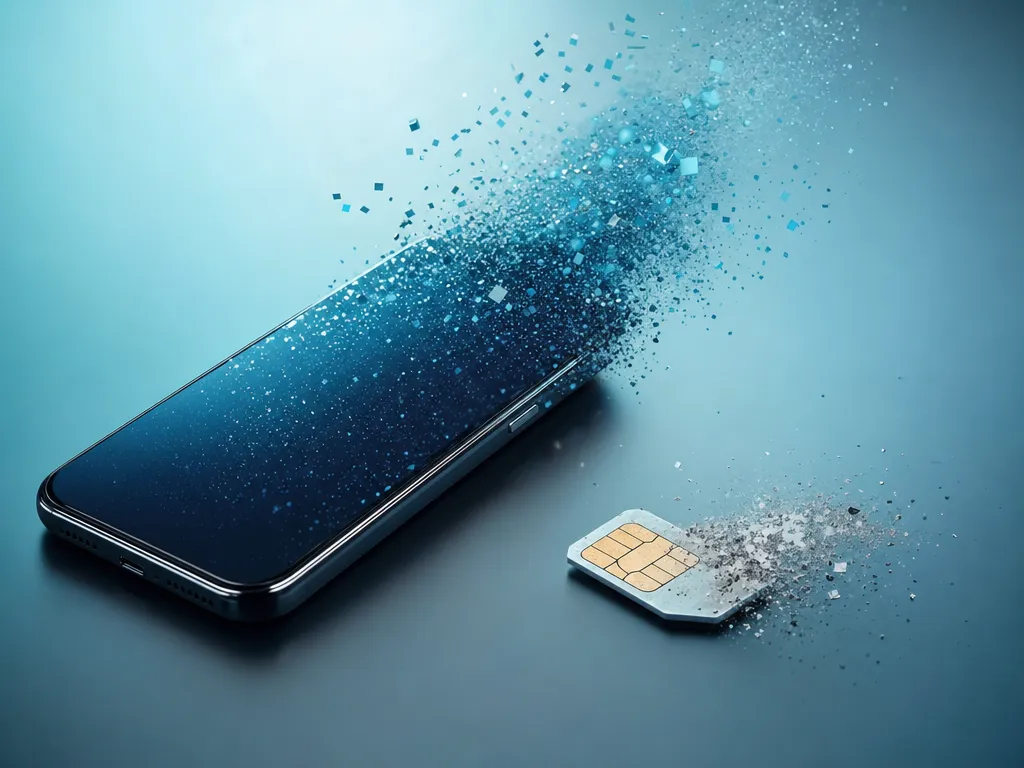
A Small Piece of Plastic on Its Way Out
For decades the SIM card sat quietly inside every phone. You popped it out with a paperclip, swapped it between devices, and lost it in drawers. That tiny chip is now living on borrowed time. The industry has already picked its successor, and it does not need a plastic tray at all.
The eSIM (embedded SIM) is a chip soldered directly onto your phone's board. Instead of shipping a physical card, carriers send a digital profile you download in seconds. No store visit. No shipping delay. No fumbling with a SIM ejector tool at an airport.
This is not a small tweak. It changes how phones are built, how carriers compete, and how travelers stay connected across borders. Let's look at why the SIM card is fading and what replaces it.
Why Phone Makers Are Killing the SIM Tray
Every physical SIM slot takes space. It also creates a hole in the phone body, and holes let in dust and water. Removing the tray gives engineers more room for battery, better water resistance, and a cleaner internal layout.
Apple made the boldest move by selling eSIM-only iPhones in the United States with no SIM tray at all. Once one major brand commits, the rest follow. Manufacturers save on parts and assembly. Carriers save on card production and mailing.
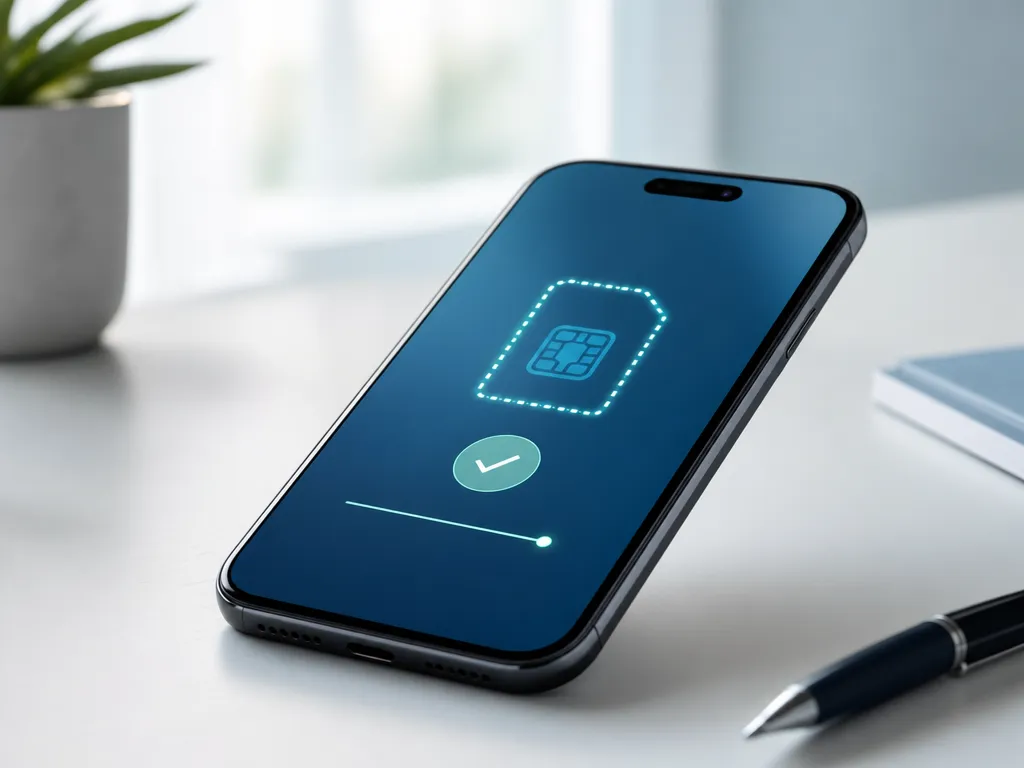
There is also a security angle. A thief can pull a SIM card out of a lost phone and use it. An embedded eSIM cannot be physically removed, so it stays tied to your device and your account. That makes tracking and locking a lost phone easier.
The Real Winner: Travelers
The biggest everyday benefit shows up when you cross a border. In the old model you had three bad choices:
- Pay brutal roaming fees from your home carrier.
- Hunt for a local SIM shop, show your passport, and hope the clerk speaks your language.
- Rely on hotel Wi-Fi and go dark the moment you step outside.
eSIM erases all three problems. You buy a data plan for your destination before you even leave home, then activate it the moment you land. Your maps, ride apps, and messages work as you walk off the plane.
If you want a deeper breakdown of the two technologies side by side, our guide on eSIM vs physical SIM covers speed, cost, and reliability in detail.
How Fast Is Setup, Really?
On most modern phones the flow is short. You buy a plan, receive a QR code, scan it, and the profile installs. On iPhone you can often skip the QR entirely with direct install. The whole process takes a couple of minutes, and you can do it from a café or an airport lounge.
What an eSIM Actually Does (and Doesn't) Do
Most travel eSIMs are data-only. That means they give you internet, but they do not come with a phone number for calls or SMS. For messaging apps like WhatsApp, Telegram, and Signal this is fine, because those run over data.
The gap shows up with verification codes. Many services still send a one-time SMS to a real number when you log in from a new country. A data-only eSIM cannot receive that text. This trips up a lot of first-time travelers.
The fix is simple. Pair your data eSIM with a virtual number that can receive codes. This is exactly why SMSBulk built both products on one account. You get travel data plus a number for SMS verification codes, funded from the same wallet. We explain the whole workflow in can an eSIM receive verification SMS.
The Numbers Behind the Shift
You do not need fabricated statistics to see the trend. Look at the signals:
- Flagship phones now ship eSIM-ready in nearly every market.
- Budget and mid-range phones increasingly support dual eSIM, letting you run a home line and a travel line at once.
- Carriers now offer instant digital activation instead of mailing cards.
- Wearables like smartwatches rely on eSIM because they are far too small for a plastic tray.
Once smartwatches, tablets, and cars all use embedded profiles, the physical card becomes the odd one out. Momentum only moves one direction here.

Is the Physical SIM Dead Everywhere Yet?
Not quite. A few situations still lean on the old card:
- Older phones. If your device predates roughly 2018, it may lack eSIM support entirely.
- Some regional carriers. A handful of smaller operators have been slow to roll out digital profiles.
- Frequent SIM swappers. If you move one line across many devices constantly, a physical card can still feel simpler.
Even so, these are shrinking edge cases. Newer phones treat eSIM as the default, and carriers are steadily retiring plastic-card logistics. The direction of travel is clear.
If you own a compatible phone and hit trouble during setup, our post on eSIM not working on iPhone walks through the most common fixes.
What to Check Before You Rely on eSIM
Before your next trip, run this quick checklist so you are not stuck at arrivals.
1. Confirm Your Phone Supports eSIM
On iPhone, look under Settings for the option to add a cellular plan. On Android, check the SIM manager. If the menu offers a digital or eSIM option, you are ready.
2. Make Sure Your Phone Is Carrier-Unlocked
A locked phone will reject a foreign profile. Ask your carrier to unlock the device before you travel, and confirm it is done.
3. Buy Your Plan Before You Fly
Install the profile at home over Wi-Fi, then toggle it on when you land. Buying in advance means you never have to find local Wi-Fi just to activate data.
4. Keep a Number for Codes
Since data eSIMs skip SMS, line up a virtual number for logins and two-factor codes. This matters if a bank or app suddenly asks you to verify from abroad.
Where SMSBulk Fits In
SMSBulk, the platform behind this blog, sells travel data plans for 200+ destinations through our own eSIM store. Pricing is transparent, delivery is instant by QR code, and iPhone users get direct install without scanning anything.
The part that sets us apart is the single account. The same wallet that funds your SMSBulk eSIM also funds a virtual number for receiving verification codes. A data-only plan plus a code-capable number covers everything a traveler actually needs, without juggling separate apps or reloading two balances.
Heading somewhere specific? You can grab country-ready plans like a Japan eSIM or browse the full country coverage list to check your destination.
Frequently Asked Questions
Will my old SIM card stop working?
Not immediately. Existing physical SIMs keep working on supported phones. But when you upgrade, expect fewer trays and more digital-only activation.
Can I use eSIM and a physical SIM at the same time?
On many dual-SIM phones, yes. You can run your home number on the physical slot and a travel data eSIM at the same time. On eSIM-only models you use two digital profiles instead.
Does eSIM cost more than a physical SIM?
The technology itself does not add cost. Travel eSIM plans are often cheaper than roaming and comparable to local SIMs, with the bonus of skipping the shop visit.
Can I move an eSIM to a new phone?
Usually you transfer the profile digitally or reinstall it. Some carriers let you move it in a few taps. It is not as instant as popping out plastic, but it is close and getting easier.
The Bottom Line
The SIM card had a long run. It shrank from credit-card size down to the tiny nano-SIM, and now it is dissolving into software entirely. eSIM is smaller, safer, faster to activate, and built for a world where you switch networks the moment you cross a border. Phone makers want it. Carriers want it. Travelers benefit most of all.
Get Started with SMSBulk
Ready to leave the paperclip behind? Set up an SMSBulk eSIM for your next destination and pair it with a virtual number for SMS codes, all from one account and one wallet. Buy a data plan before you fly, install it in minutes, and land connected. Explore our pricing and start your switch to a connection without a plastic SIM today.
¿Listo para verificar cuentas de forma fácil?
Obtén códigos SMS al instante de 190+ países en menos de 30 segundos.