
How to Receive SMS Online Safely: A 2026 Guide
Why Receiving SMS Online Matters
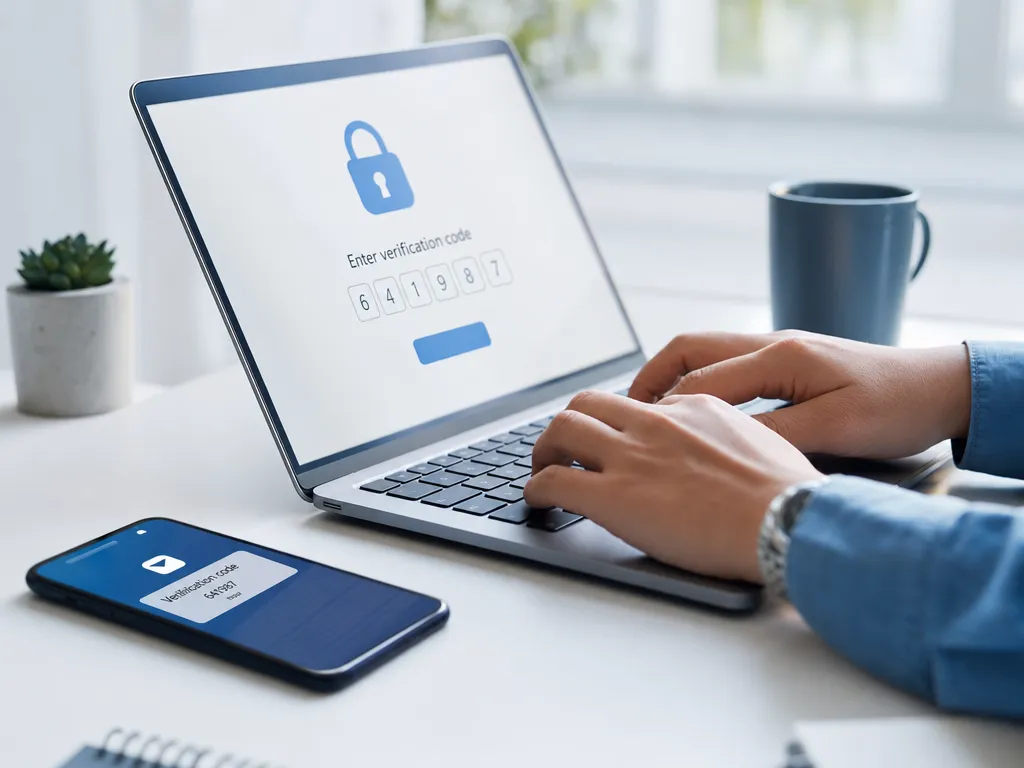
Signing up for a new app almost always ends the same way. A verification code lands on your phone, you type it in, and you are in. That single step protects millions of accounts every day. But it also means handing your personal phone number to yet another service.
Receiving SMS online lets you skip that. Instead of your real SIM, you use a virtual number to catch the one-time code. Done right, it keeps your primary number private and cuts down on spam. Done carelessly, it can expose your accounts to strangers.
This guide walks through the safe way to do it in 2026. We will cover the real risks, what to look for in a service, and a simple checklist you can follow every time.
The Difference Between Shared Public Numbers and Private Numbers
Search online and you will find sites that post shared numbers anyone can view. The codes sent to those numbers appear on a public page. It sounds convenient until you realize the obvious problem.
If you can see the codes, so can everyone else. That means:
- Someone else may already own an account on the same service with that number.
- Verification often fails because the number is flagged or already used.
- Any code you receive is visible to strangers, including password resets.
We cover this trap in detail in our breakdown of why public SMS numbers always fail you. The short version: public numbers are fine for throwaway curiosity, never for anything tied to your identity or money.
A private virtual number, by contrast, is assigned to you alone for the session. The code is yours, nobody else sees it, and the number is far less likely to be blocked.
Real Risks When Receiving SMS Online
Before picking a service, understand what can actually go wrong.
Code Interception
On shared platforms, any code is broadcast publicly. A password reset or banking code in the wrong hands is a direct route into your account.
Number Recycling
Many budget services reuse numbers quickly. If a number you registered with is handed to someone else, they may receive future codes meant for you.
Weak Platform Security
Some sites store your data with little protection. A leak can tie your email, payment info, and activity together.
Service Blocklists
Popular apps maintain lists of numbers known for abuse. If a cheap provider recycles heavily flagged numbers, your verification simply will not arrive. This is one of the most common reasons a ChatGPT verification code never shows up.
Knowing these risks makes the safe choices obvious.
What to Look for in a Safe SMS Service
Not every provider is built the same. Here is what separates a reliable one from a risky one.
Private, single-use numbers. You should get a number that is yours for the verification, not a shared inbox. This alone eliminates most privacy issues.
Wide country coverage. Some services only accept numbers from specific regions. A provider with numbers across many countries gives you options when one region is blocked.
Transparent pricing. You should know the cost per number before you commit, with no surprise charges. Pay-per-use models are ideal for occasional needs.
Fast delivery. Codes expire quickly, often within minutes. A good service delivers the SMS in seconds.
A real account and wallet. Prepaid balance you control beats vague credit systems. It also lets you top up only what you need.
SMSBulk, the platform behind this blog, was built around exactly these points. You get private SMS verification numbers from countries worldwide, clear pricing, and one wallet that also covers email verification and travel eSIMs.
Step-by-Step: Receiving SMS Online the Safe Way
Here is the practical flow, whether you use SMSBulk or another trusted provider.
1. Choose the Right Country and Service
Pick a number from a country the target app supports. If you are verifying a global service like Telegram or Google, most countries work. Some apps prefer local numbers, so match accordingly.
2. Get a Private Number
Request a number that is assigned only to you for the task. Avoid anything labeled shared or public.
3. Enter It on the Target Service
Type the number into the app or website that needs verification. Trigger the code request.
4. Read the Code
The SMS appears in your dashboard within seconds. Copy the code and enter it. That is the entire loop.
5. Release the Number When Done
Once verified, you usually do not need the number again for that account. Good services let you close the session cleanly.
If you want a deeper walkthrough of how leasing numbers works, our guide on renting a phone number for SMS covers it end to end.
Safety Habits That Actually Protect You
A good service is half the equation. Your habits are the other half.
- Never reuse a public number for password resets. Anything that can unlock an account deserves a private number.
- Do not link a temporary number to long-term accounts you plan to keep, unless you understand the number may not persist.
- Use a strong password and app-based 2FA alongside SMS where possible. SMS is a good layer, not your only layer.
- Watch for phishing. No legitimate service asks you to read your code back over chat or email.
- Keep verification and identity separate. The whole point of a virtual number is to avoid exposing your real one.
For a fuller picture of how virtual numbers fit into your security setup, see our complete virtual phone number guide.
SMS Codes While Traveling
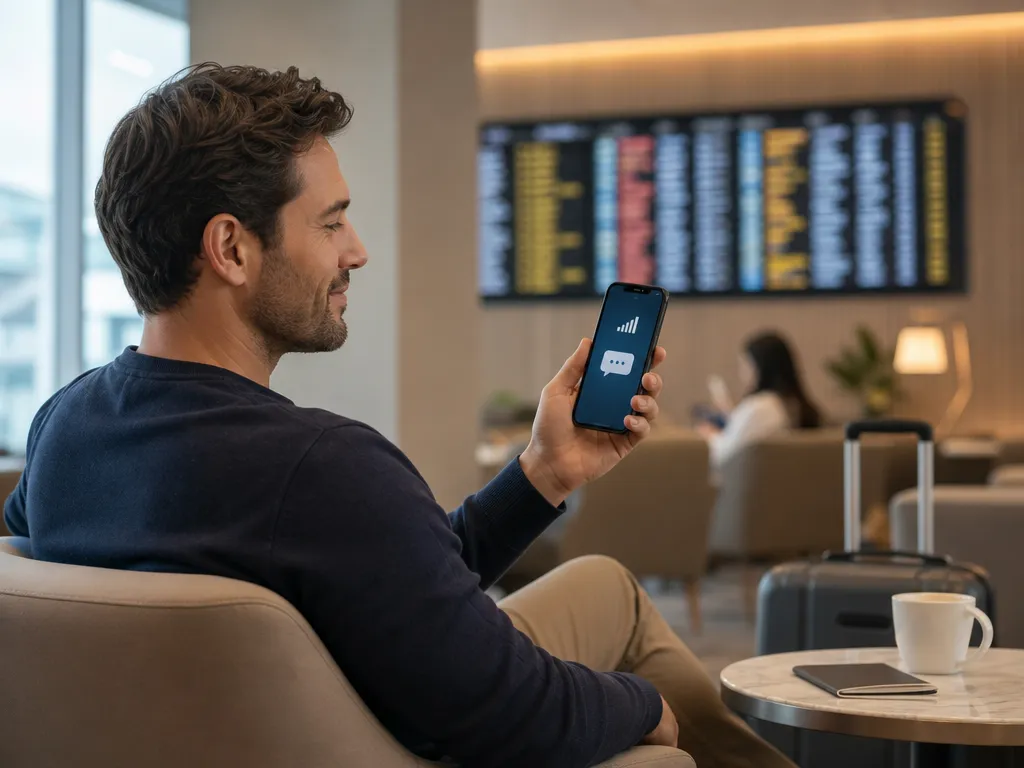
Here is a scenario many people miss. You travel abroad, swap to a local data plan or eSIM, and suddenly your home SIM is off or roaming charges kick in. Then an app asks for a verification code, and you cannot receive it.
A travel eSIM handles your data, but eSIMs are data-only and do not come with a phone number for SMS. That is where pairing matters. You can run an SMSBulk eSIM for connectivity across 200+ destinations and keep a virtual number ready for any codes you need while away.
We explain this exact combination in our article on whether an eSIM can receive verification SMS. The two products live under one account, so topping up either uses the same wallet.
Common Mistakes to Avoid
Even careful users trip over the same issues. Watch for these.
Grabbing the first public inbox number you see. It has almost certainly been used and flagged. Verification will likely fail.
Ignoring country restrictions. Some services reject virtual numbers from certain regions. Check before you spend.
Waiting too long. Codes expire. Have the target app ready before you request the number so you can enter the code immediately.
Assuming SMS alone is bulletproof. SMS verification is convenient and widely supported, but layering it with an authenticator app gives stronger protection. If you want the tradeoffs, compare SMS OTP vs email OTP.
Frequently Asked Questions
Is it legal to receive SMS online? Using a virtual number to protect your privacy is legal in most places. What matters is how you use it. Do not use it to break the terms of the service you are verifying or to commit fraud.
Will apps detect a virtual number? Some do, especially with low-quality recycled numbers. Private numbers from a reputable provider pass far more reliably.
Can I use one number for many accounts? Usually not on the same service. Most platforms tie one number to one account. Use a fresh number per registration when needed.
How fast do codes arrive? With a solid provider, within seconds to a minute. If nothing arrives after a few minutes, the number may be blocked and you should request another.
Do I need my real SIM at all? For online SMS verification, no. That is the point. Your real number stays private.
Get Started with SMSBulk
Receiving SMS online safely comes down to two things: a private number and smart habits. SMSBulk gives you the first part with verification numbers across countries worldwide, transparent per-use pricing, and instant code delivery, all managed from one account and wallet. When you travel, the same account carries a data eSIM so you stay connected and verified anywhere. Create an account, top up your wallet, and grab your first number in under a minute.
Готовы легко верифицировать аккаунты?
Получайте мгновенные SMS-коды из 190+ стран менее чем за 30 секунд.