
Phone Verification for AI Tools: Complete 2026 Guide
Why AI Tools Demand Phone Verification
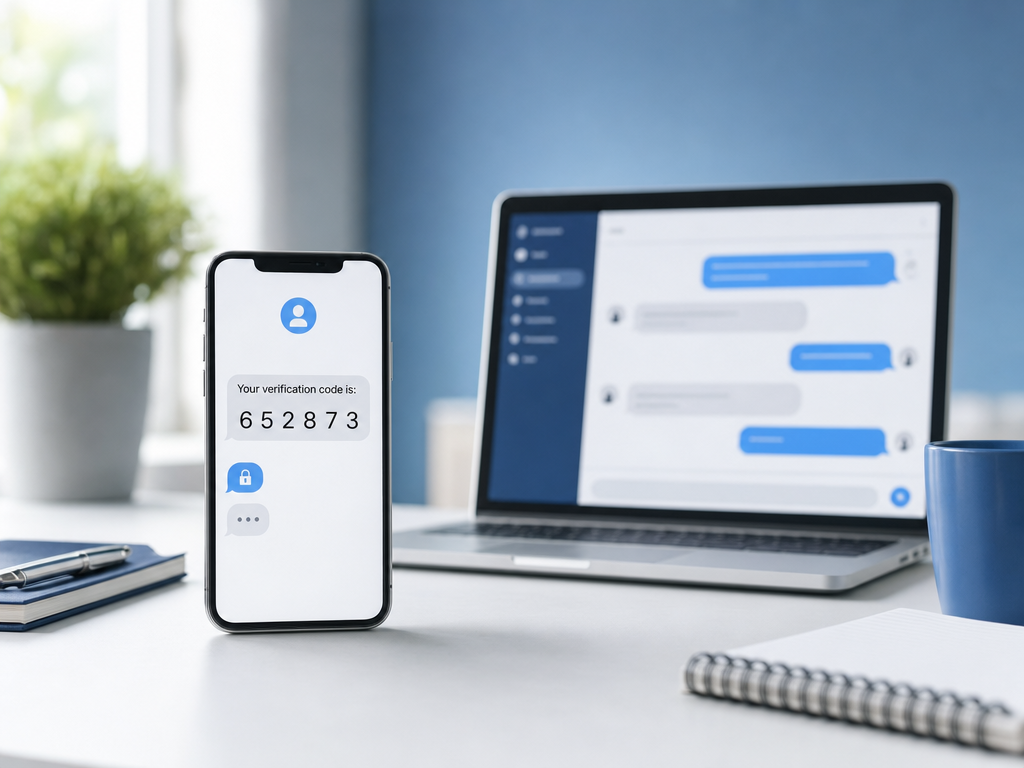
If you tried to sign up for ChatGPT, Claude, Gemini, or Midjourney recently, you probably hit the same wall everyone else does. The platform asks for a phone number before you can even see the chat box. No phone, no access. It feels random, but there is a clear reason behind it.
AI tools have become the most abused services on the internet. Spammers want bulk accounts to scrape responses. Scammers use them to generate phishing emails at scale. Students share single accounts across dozens of devices. Phone verification cuts most of this noise because phone numbers cost money and effort to obtain, while email addresses are essentially infinite.
This guide walks through how phone verification actually works on AI platforms in 2026, why it sometimes fails, and what your options are when your number gets rejected.
How AI Platforms Use Your Phone Number
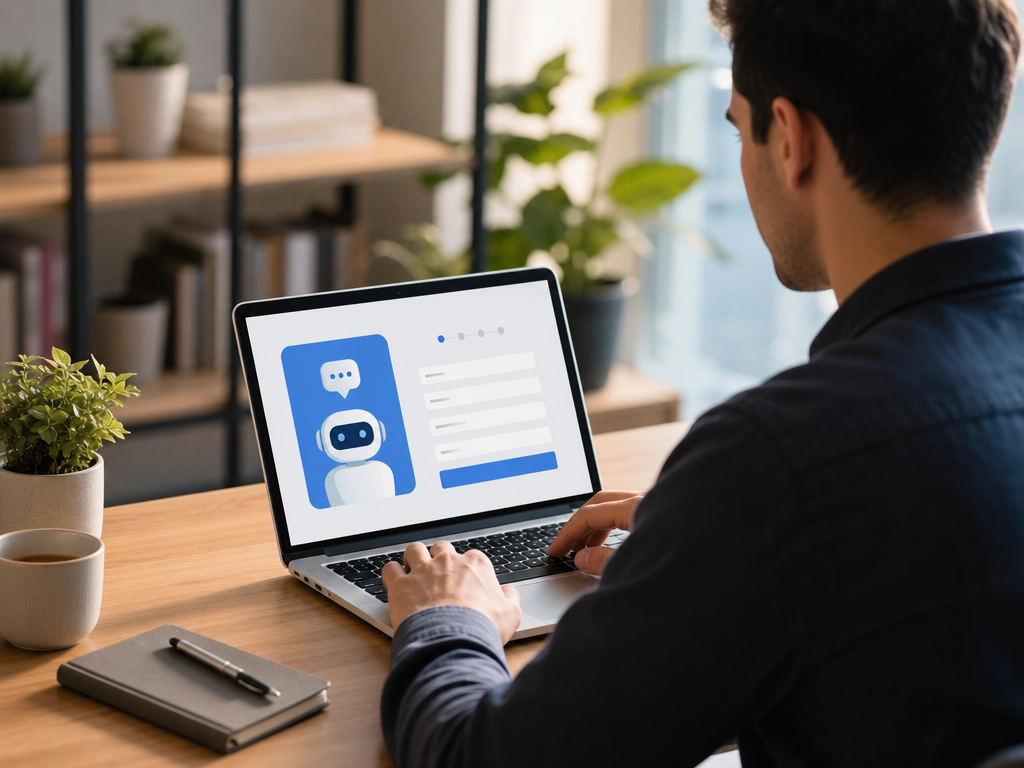
Most AI services follow a similar verification flow. You enter your phone number during signup. The platform sends a 4 or 6 digit code via SMS. You enter the code. The system links that number to your account permanently.
What happens behind the scenes is more interesting. The platform checks your number against several databases before sending the code.
Number Type Detection
AI companies use carrier lookup APIs to classify your number. They want to know:
- Is this a mobile number or a landline?
- Is it a real consumer SIM or a VoIP line?
- What country issued it?
- Has this number been used to register other accounts recently?
Most AI platforms reject VoIP numbers immediately. Google Voice, TextNow, and similar services are blocked at the API level. Mobile numbers from major carriers pass easily. Numbers from low-trust ranges get extra scrutiny.
Geographic Risk Scoring
Numbers from certain countries face stricter checks. This is not personal. It is based purely on historical abuse data. If a region has produced lots of fake AI accounts, all new signups from that region get more friction.
A U.S. mobile number on a major carrier passes almost instantly. A number from a high-risk country might need additional verification steps, like a credit card or government ID upload.
Which AI Tools Require Phone Verification
Not every AI service asks for a phone number, but the major ones do. Here is the current landscape.
Requires phone verification:
- ChatGPT (OpenAI) for new accounts on all tiers
- Claude (Anthropic) on Pro and Team plans
- Google Gemini for advanced features and API access
- Midjourney during Discord linking
- Perplexity Pro accounts
- Character.AI for full feature access
- Runway ML for video generation
- Suno AI for music creation beyond the basic tier
Usually no phone needed:
- Open source models hosted locally (Llama, Mistral run on your own machine)
- Some Hugging Face Spaces
- Self-hosted Stable Diffusion installations
The trend is clear. Every major commercial AI tool will likely require phone verification by the end of 2026. Running models locally is the only way to skip it entirely, and that requires serious hardware.
Common Verification Problems and Why They Happen
Even with a real personal phone, verification can fail. These are the most common issues.
"This Number Is Already in Use"
AI platforms allow one account per phone number. If you previously signed up with that number, even years ago, the system remembers. Family plans cause issues too. If your sibling used the same number on a shared plan to register, you cannot use it again.
"We Cannot Send Codes to This Number"
This usually means your number was flagged as VoIP or virtual. Sometimes carriers route certain prepaid lines through VoIP infrastructure, which triggers the same block. Even if your number is a legitimate mobile SIM, the platform sees it as virtual and refuses.
The Code Never Arrives
SMS delivery is unreliable across borders. If the AI platform is in the U.S. and you are in a different country, the message might take 10 minutes or never arrive at all. Carrier filters sometimes block automated SMS traffic completely.
"Too Many Attempts From Your Region"
If many people from your area code or carrier tried to sign up recently, the platform may temporarily freeze new registrations from that range. Waiting 24 hours sometimes works. Sometimes you need a different number entirely.
Privacy Concerns With Sharing Your Number
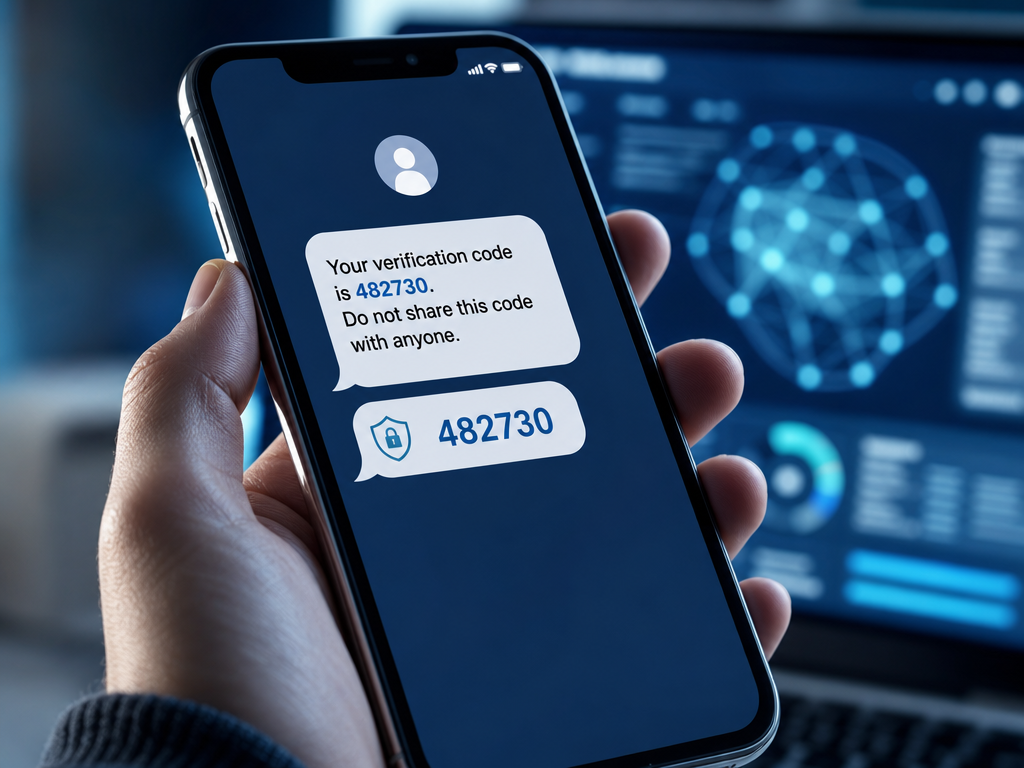
Giving your personal phone number to an AI company creates a permanent link between your real identity and everything you type into that AI. For most people this does not matter. For some users it does.
Journalists testing AI for sensitive research. Lawyers exploring legal AI tools while bound by client confidentiality. Researchers studying bias in language models. Founders prototyping products they do not want competitors to find out about. All of these have legitimate reasons to keep their primary identity separate from their AI experiments.
There is also the data breach angle. Phone numbers leaked from one platform get reused across others for SIM swap attacks. The fewer services that have your real number, the smaller your attack surface.
Using Virtual Numbers for AI Tool Verification
This is where services like SMSBulk come in. A virtual SMS verification number is a real phone number you rent for a single verification. The code arrives in your dashboard, you enter it on the AI platform, and you move on. Your personal number stays private.
The process is straightforward:
- Pick the country whose number you want (some AI tools work better with specific regions)
- Choose the service you are verifying (ChatGPT, Claude, Gemini, etc.)
- Receive the number in your dashboard
- Use it on the AI signup page
- Copy the incoming code from your dashboard back to the signup form
SMSBulk maintains numbers across countries worldwide, which matters because some AI tools restrict access by country. If Claude is not available in your region, a U.S. number from SMSBulk lets you complete signup. Whether you can actually use the service afterward depends on the platform's IP restrictions, not just phone verification.
Choosing the Right Country
For most AI tools, U.S. or U.K. numbers have the highest success rate. They are on the trusted carrier list at every major platform. German, Canadian, and Dutch numbers also work well. Numbers from heavily abused regions sometimes fail even though they are legitimate. SMSBulk shows real-time success rates per service, so you can pick a country that actually works for your target platform.
Best Practices for Smooth Verification
A few habits make verification work the first time, every time.
Use a clean browser session. AI platforms fingerprint browsers. If you previously signed up and the system remembers your fingerprint, even a new phone number might not save you. Use a fresh browser profile or a privacy browser for new accounts.
Match the number's country to your VPN exit. If you use a U.S. number, browse from a U.S. IP. Mismatched signals trigger suspicion.
Do not retry too fast. If verification fails, wait at least an hour before trying again with a different number. Rapid retries get flagged.
Complete the signup in one session. Some platforms expire the verification window after 10 minutes. Have your number ready before you start typing.
Save backup codes immediately. Once verified, most AI tools offer 2FA backup codes. Save them. If you ever lose access to that phone number, the codes are your only way back in.
What Happens After Verification
Once your number passes verification, the AI platform stores it as a recovery method. Some platforms ask you to re-verify periodically, especially if you log in from new devices or locations. ChatGPT in particular asks for re-verification when you switch countries or use a VPN.
If you used a virtual number, plan for this. Either keep the number active by renewing it (if your provider allows long-term rental) or accept that you might lose account access on aggressive re-verification. For most users, this is not a problem because re-verification is rare. For heavy users testing many accounts, it matters.
The Future of AI Verification
Phone verification will not stay the only gatekeeper for long. Several AI companies are testing alternatives:
- Government ID verification through services like Persona and Onfido
- Biometric verification using webcam liveness checks
- Payment method verification where a real credit card replaces phone verification
- Hardware attestation tying accounts to specific devices
These are stronger but more invasive. Phone verification will probably remain the default for years because it balances friction and security better than the alternatives. Knowing how it works gives you options when it does not work for you.
Get Started with SMSBulk
If you need a reliable virtual number to verify ChatGPT, Claude, Gemini, Midjourney, or any other AI tool, SMSBulk has you covered. With numbers from countries worldwide, transparent per-service success rates, and instant code delivery, you can complete verification in under two minutes without giving up your personal phone number. Sign up at SMSBulk, top up your balance, and pick the country and service you need. Your AI account is one verification away.
Готовы легко верифицировать аккаунты?
Получайте мгновенные SMS-коды из 190+ стран менее чем за 30 секунд.