
SMS Verification for SaaS: A Practical 2026 Guide
Why SaaS Products Need SMS Verification
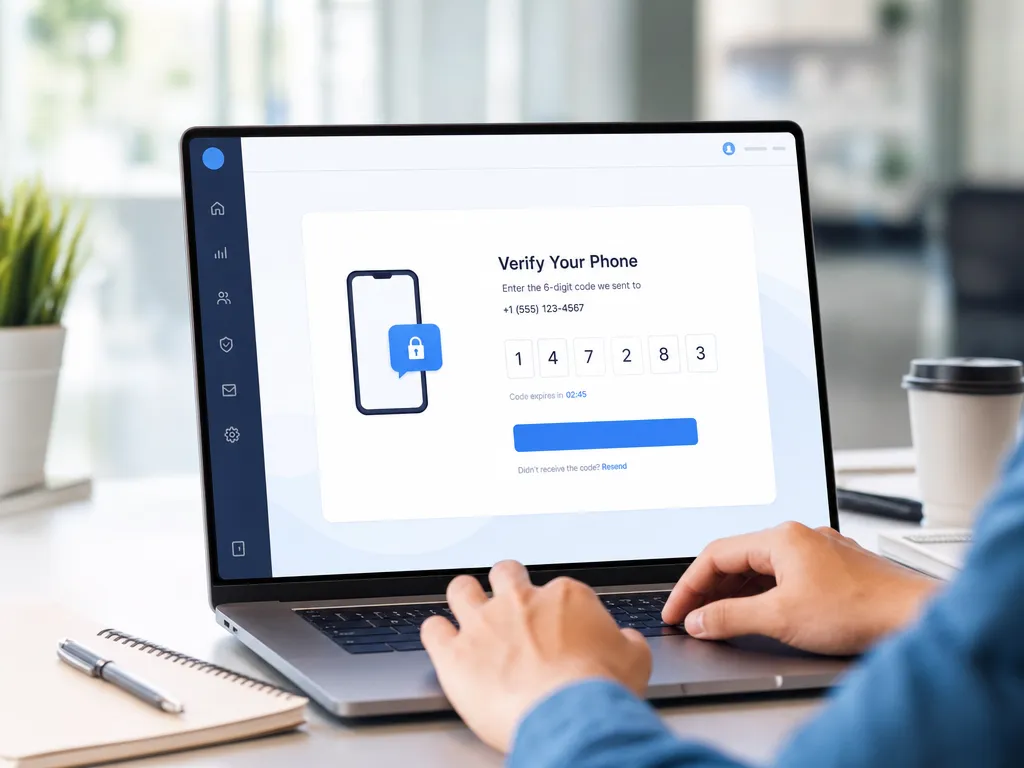
Every SaaS product eventually faces the same problem: fake signups, account takeovers, and bots draining trial credits. SMS verification is one of the most direct ways to confirm that a real person is behind an account. It adds a layer of trust without forcing users through a painful onboarding process.
When someone enters a phone number and receives a one-time passcode (OTP), you gain a reasonable signal that the account is genuine. This matters for B2B tools, fintech dashboards, marketplaces, and any platform where abuse has a real cost.
SMS verification is not a silver bullet. But combined with smart rate limiting and risk scoring, it dramatically reduces low-effort attacks. In this guide, we walk through how to design, secure, and scale SMS verification inside a SaaS product.
How SMS Verification Works in a SaaS Flow
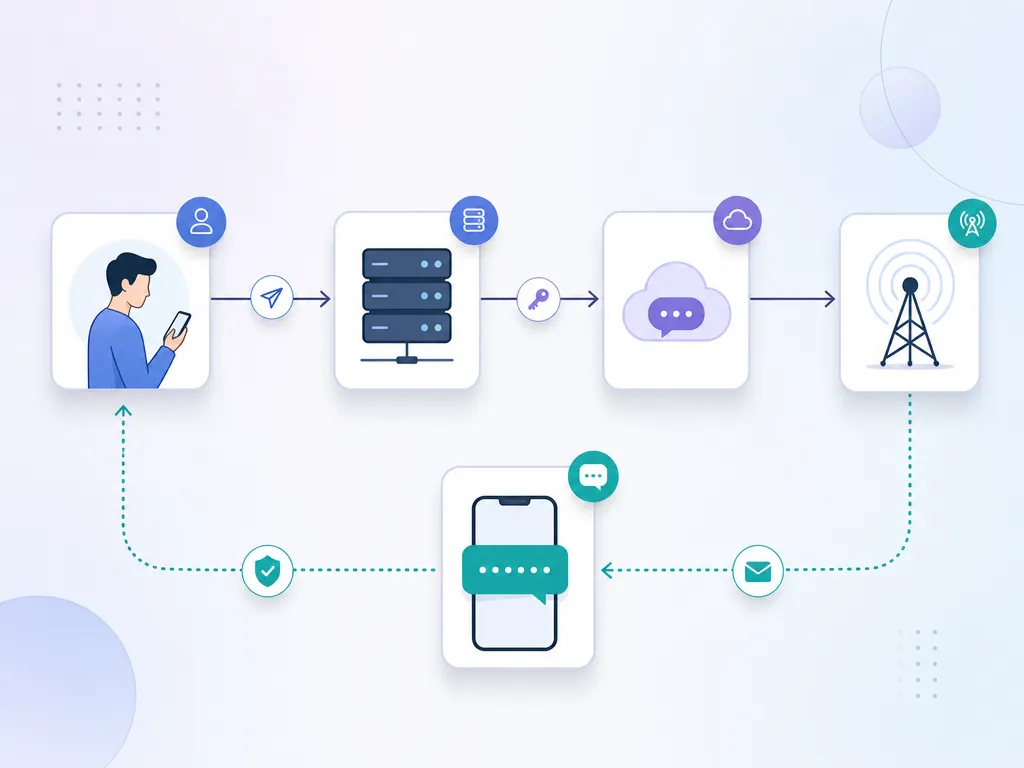
The core flow is simple and predictable. Understanding each step helps you decide where to add friction and where to keep things smooth.
- The user enters their phone number during signup or a sensitive action.
- Your backend requests a verification code from an SMS API.
- The provider routes the message to the carrier, and the user receives the OTP.
- The user types the code back into your app.
- Your backend compares the code and marks the number as verified.
The whole cycle should complete in under a minute. Anything slower frustrates users and increases drop-off. For account-level verification, you usually store the verified number and a timestamp so you do not re-verify on every login.
When to Trigger Verification
Not every action needs an SMS code. Triggering it too often annoys users and inflates your messaging bill. Common high-value moments include:
- Account creation to block bulk fake signups.
- Login from a new device as a second factor.
- Password resets to confirm ownership.
- High-risk transactions like payouts or plan changes.
- Sensitive setting changes such as email or 2FA updates.
A risk-based approach works best. Verify aggressively when signals look suspicious, and stay quiet when a trusted user performs a routine action.
Security Best Practices for OTP
SMS OTP is convenient, but sloppy implementation creates vulnerabilities. Treat the code like a temporary secret and protect it accordingly.
Keep Codes Short-Lived
A verification code should expire quickly, typically within 5 to 10 minutes. Long-lived codes give attackers a wider window to brute-force or intercept them. Once a code is used or expires, invalidate it immediately.
Limit Attempts and Requests
Rate limiting is your strongest defense. Cap the number of verification attempts per code, and throttle how often a single number or IP can request new codes. Without these limits, attackers can hammer your endpoint or run up your costs through pumping fraud.
Never Log the Code
Sounds obvious, yet plaintext OTPs leak into log files more often than teams admit. Store only a hashed version of the code if you must keep it server-side, and scrub it from any analytics pipeline.
A good rule: if a code appears anywhere outside the SMS message and the verification check, you have a problem.
Consider OTP vs Other Factors
SMS is widely accessible but not the most secure factor on its own. For high-stakes accounts, pair it with app-based authenticators or passkeys. If you are weighing channels, our breakdown of SMS OTP versus email OTP explains the trade-offs in plain terms.
Controlling Cost as You Scale
SMS pricing varies enormously by country. A code sent to one region might cost a fraction of a cent, while another costs ten times more. As your user base grows internationally, these differences add up fast.
Here are the levers that keep spending sane:
- Use verification only where it pays off. Email verification is cheaper for low-risk steps. Reserve SMS for moments that justify the cost.
- Detect and block pumping fraud. Attackers trigger floods of SMS to premium-rate numbers, splitting revenue with shady carriers. Geo-blocking unused countries stops most of it.
- Cache verified numbers. Do not re-verify a phone number you already trust within a session window.
- Pick transparent pricing. Hidden per-message markups erode margins quietly.

Transparent, predictable pricing matters more than a low headline rate. You can review country-level rates on the pricing overview before committing to a region rollout.
Integrating an SMS Verification API
Most SaaS teams do not want to manage carrier relationships, short codes, or sender IDs themselves. A verification API abstracts that complexity. You make a request, the provider handles delivery, and you poll or receive a webhook for the result.
A Minimal Integration Pattern
A clean integration usually looks like this:
- Request a number or send a code through the API endpoint.
- Store the request ID tied to the user session.
- Poll or listen for the incoming code.
- Validate against user input and finalize the verification state.
Good developer documentation makes this painless. SMSBulk publishes a full REST API reference in the docs with code samples, so your team can ship verification in an afternoon rather than a sprint.
Build in Provider Failover
Carriers occasionally fail. Routes get congested, and messages stall. If your entire onboarding depends on a single delivery path, an outage becomes a revenue problem. Designing failover across providers keeps verification reliable. Our developer guide on SMS verification with provider failover covers patterns for graceful fallback and retry logic.
Global Coverage and Localization
SaaS is borderless. If your product serves customers in dozens of countries, your verification stack must follow. A provider with reach across countries worldwide means you are not blocked when a user signs up from an unexpected region.
Localization goes beyond delivery. Format phone inputs to the user's country, display the OTP message in their language where possible, and respect local regulations around sender identification. Small touches reduce confusion and raise completion rates.
Testing Across Regions
Before launch, test verification in your top markets. Delivery speed and reliability differ by carrier and region. A code that arrives in two seconds in one country might take twenty in another. Knowing this lets you tune timeout windows and retry prompts realistically.
Handling Edge Cases Gracefully
Real users hit messy situations. Your verification flow should anticipate them instead of dead-ending.
- Code never arrives. Offer a resend button after a sensible delay, and a fallback channel like email.
- Wrong number entered. Let users edit the number without restarting the whole signup.
- Number already in use. Decide your policy: one number per account, or shared family numbers allowed.
- VoIP and virtual numbers. Some SaaS products block these to reduce fraud, others allow them. Choose based on your risk tolerance.
Clear error messages matter. "Code expired, tap to resend" beats a generic "verification failed" every time.
Privacy and Compliance Considerations
Phone numbers are personal data. Collecting them brings obligations under regulations like GDPR. Be transparent about why you collect a number, how long you keep it, and whether you use it for anything beyond verification.
Never repurpose a verification number for marketing without explicit consent. Store numbers encrypted, limit internal access, and provide a clear path for deletion. Trust is part of your product, and mishandling contact data erodes it quickly.
FAQ
Is SMS verification enough for two-factor authentication?
It is a solid second factor for most consumer and SMB SaaS use cases. For high-value or regulated accounts, layer it with authenticator apps or passkeys for stronger protection.
How fast should OTP delivery be?
Aim for under ten seconds in your primary markets. Beyond thirty seconds, drop-off climbs sharply, so design resend prompts around realistic delivery times.
Can I use email instead of SMS?
For low-risk steps, yes. Email verification costs less and works well for confirming ownership. Many teams combine both, using email for signup and SMS for sensitive actions. Our SMS versus email verification comparison helps you decide per flow.
How do I prevent SMS pumping fraud?
Geo-block unused countries, rate-limit requests per number and IP, and monitor for unusual spikes to premium-rate destinations. These three steps stop the vast majority of abuse.
Get Started with SMSBulk
SMSBulk gives your SaaS one platform for everything verification: SMS codes from countries worldwide, an email verification API that mirrors the SMS API, and a shared wallet so billing stays simple. Developers get clean documentation and reliable routing, while your product gets fewer fake accounts and happier real users. Create an account, top up your wallet, and ship secure verification into your SaaS today.