Public SMS Numbers: Why They Always Fail You
Public SMS Numbers: Why They Always Fail You
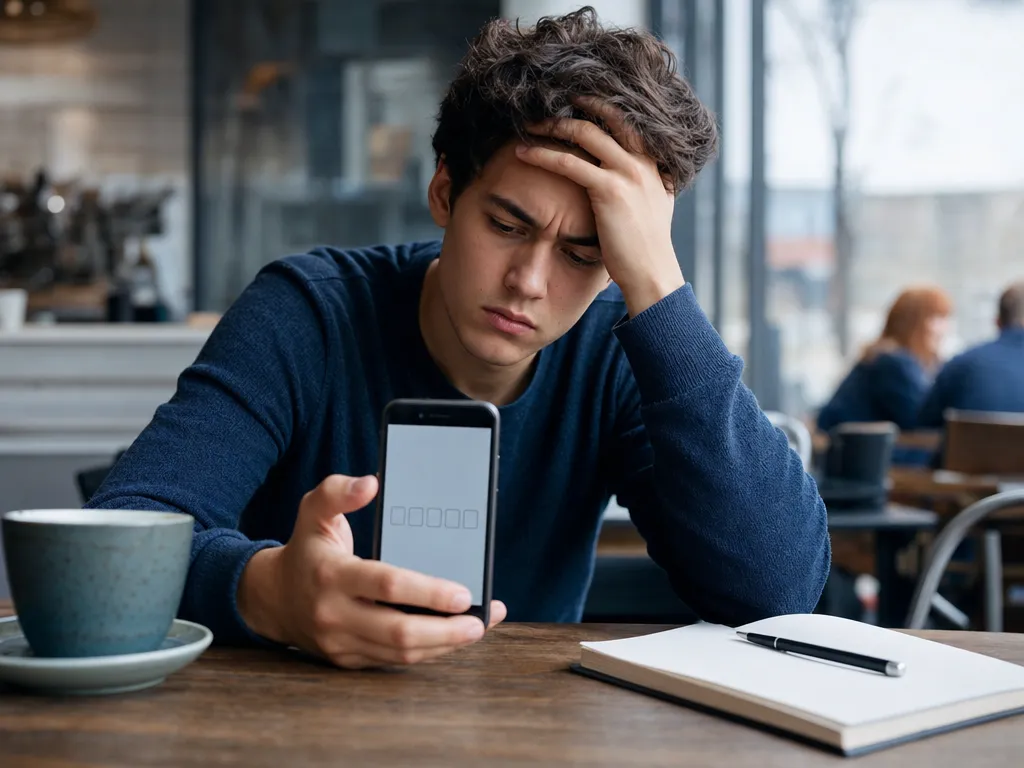
You need a verification code for a new account. You search online, find a website listing a handful of "public" phone numbers, and paste one into the signup form. You wait. Nothing arrives. Or worse, a code arrives, but it belongs to someone else who grabbed it first. This is the daily reality of shared, no-cost SMS numbers, and it explains why so many people give up on them.
These numbers look convenient. In practice, they are one of the least reliable ways to receive a one-time code. Let's break down exactly why they fail, what risks they carry, and how to get a number that actually works.
What Public SMS Numbers Actually Are
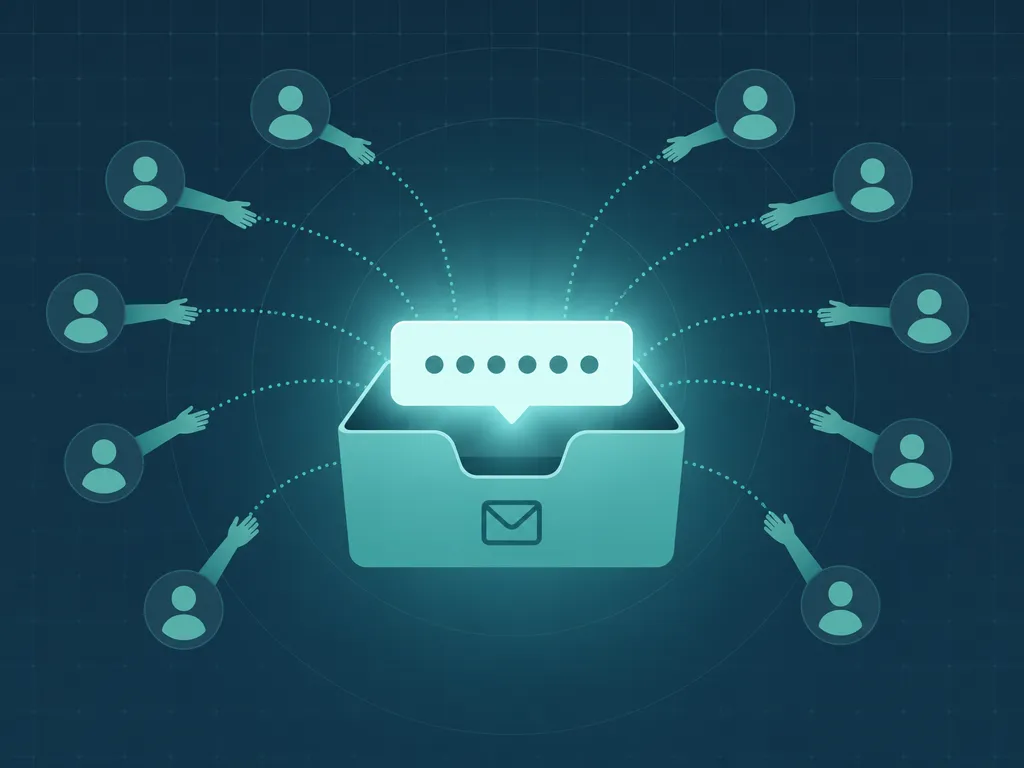
A public SMS number is a phone line whose incoming messages are displayed openly on a website for anyone to read. Dozens of sites host lists like this. You pick a number, use it during signup, then refresh a public inbox page hoping your code shows up before it scrolls away.
The key word is shared. Nobody owns the number. Everyone who visits that page sees every message it receives. There is no privacy, no priority, and no guarantee the number is even still active.
That design creates problems the moment you rely on it for something that matters.
Reason 1: Everyone Uses the Same Number
The biggest flaw is obvious once you think about it. If a number is public, thousands of people are hitting it at once.
Major platforms like WhatsApp, Google, Telegram, and Instagram track how many accounts register from a single phone number. When a number has already verified hundreds of accounts, the platform flags it. Your registration gets blocked before the code even sends.
So you face two outcomes:
- The service refuses the number outright because it is on a blocklist.
- The code technically sends, but a stranger reading the same public inbox uses it before you do.
Either way, you lose.
Reason 2: They Are Already Blacklisted
Verification systems maintain risk databases. Numbers that appear on public inbox sites get scraped and added to these lists quickly. Anti-fraud engines recognize the number prefix, the carrier, and the reuse pattern.
Once a number lands on a blacklist, it stays there. You might get lucky with an obscure service, but for anything popular the number is dead on arrival. This is why people report that the same public numbers fail across dozens of apps. They were burned long before you found them.
Reason 3: No Privacy at All
When you use a public number, every message tied to it is visible to strangers. That includes:
- The full verification code
- The name of the service that sent it
- Sometimes account recovery links
If you managed to create an account, anyone watching that inbox could request a password reset and read the reset code in the same public feed. Your "verified" account is effectively unlocked for the world.
For a comparison of how codes travel and where the weak points sit, our guide on SMS OTP vs email OTP walks through the trade-offs in plain terms.
Reason 4: Numbers Vanish Without Warning
Public numbers are not permanent. The sites that host them rotate lines constantly because carriers reclaim them, block them, or the operator simply drops them. A number that worked yesterday returns a "failed to deliver" error today.
There is no support desk, no refund, and no way to get the same number back. If a service later asks you to re-verify or recover your account, the number is gone and so is your access. That is a serious problem for anything you actually want to keep.
Reason 5: Country and Service Restrictions
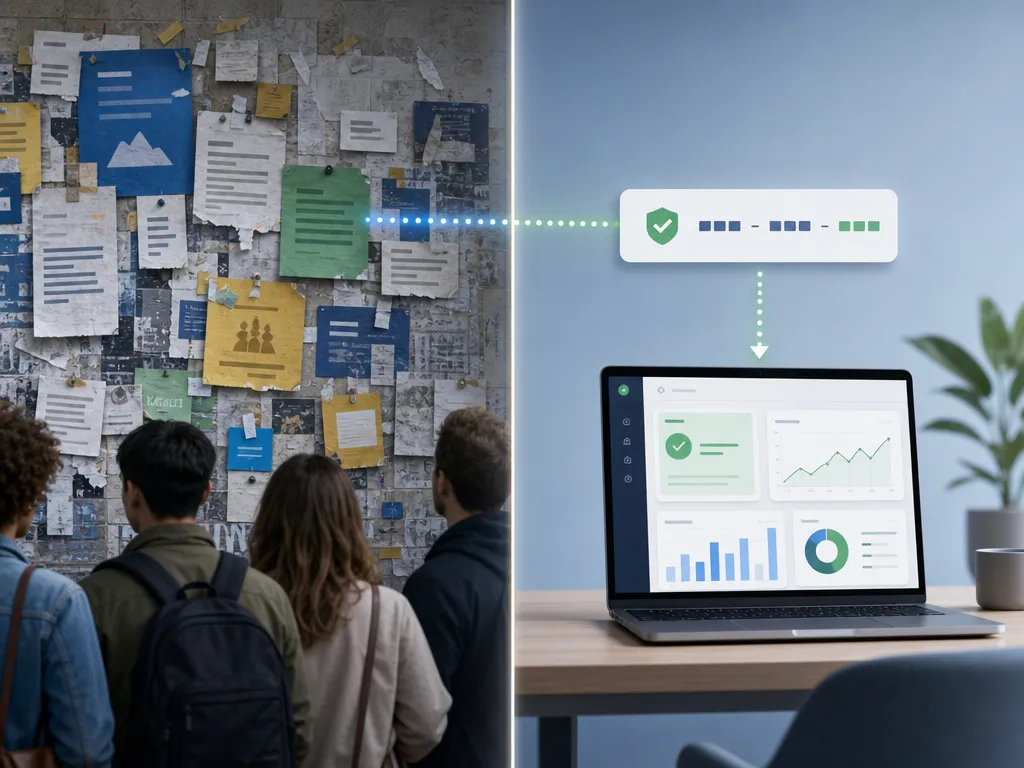
Many apps only accept numbers from specific regions, or they treat certain number ranges as high risk. Public lists rarely tell you the true origin or type of a number. You might paste in what looks like a valid mobile line and get rejected because it is a VoIP block the platform refuses.
With a proper provider you choose the country and the service in advance, so the number matches what the platform expects. That single difference is the gap between a code that arrives in seconds and an endless spinning loader.
The Hidden Cost of "Zero Cost"
Public numbers seem to cost nothing. The real price shows up in wasted time and failed accounts.
Think about the pattern. You try one number, it fails. You try another, it fails. Twenty minutes later you have a locked signup form, a rate-limited IP, and no account. Multiply that across every service you wanted to join and the "savings" disappear.
A reliable code costs a small amount and works on the first attempt. For most people that trade is easy. If budget is the concern, we compared the cheapest SMS verification services so you can see how low real, working numbers actually go.
What Actually Works: A Private Verification Number
The fix is a number that only you control for the duration of your verification. This is what a dedicated SMS verification service provides.
Here is how a private number solves each failure above:
- Not shared. The number is assigned to your request alone, so no stranger reads your code.
- Not blacklisted. Reputable providers rotate clean inventory and pull numbers that get flagged.
- Country-specific. You select the exact country and target app, so the number matches platform rules.
- Delivered to you. The code lands in your private dashboard, not a public feed.
SMSBulk runs exactly this kind of service, with SMS verification numbers from 200+ countries for apps like WhatsApp, Telegram, Google, and Instagram. You pick the country and service, receive the code in your account, and move on. No refreshing a public wall and hoping.
If you want the full background on how these numbers work and when to use a disposable versus a longer-term line, the virtual phone number guide covers it step by step.
How to Choose a Verification Number That Delivers
Not every paid service is equal either. Use this checklist when picking one:
- Coverage. Does it list the country you need? Broad coverage matters if a target app is region-locked.
- Success transparency. Good providers show which services are available and let you retry if delivery fails.
- Pricing clarity. You should see the cost per number before you commit, not after.
- Wallet model. A shared balance across products keeps things simple if you also travel or need email checks.
- Fresh inventory. Numbers should be rotated so you are not handed a burned line.
SMSBulk checks these boxes and keeps one wallet across SMS verification, email verification, and travel eSIMs, so the same balance covers everything.
A Note for Travelers
If your reason for hunting public numbers is that you are abroad and your home SIM is off, there is a cleaner setup. Pair a data plan with a virtual number instead of gambling on shared lines.
A travel eSIM gives you data the moment you land, and a virtual verification number lets you receive codes without swapping your physical SIM. Our SMSBulk eSIM store covers 200+ destinations with instant QR delivery, and because it shares your SMSBulk account, the same wallet funds both the data plan and any verification numbers you need on the trip.
Frequently Asked Questions
Do public SMS numbers ever work?
Occasionally, for tiny or obscure services that do not run anti-fraud checks. For anything mainstream like WhatsApp or Google, they almost always fail because the number is shared and blacklisted.
Can someone steal my account through a public number?
Yes. Because the inbox is visible to everyone, a stranger can trigger a password reset and read the recovery code in the same public feed. Never use a public number for an account you want to keep.
Is a private number expensive?
No. A working verification number usually costs a small, predictable amount, and you only pay when you actually need one. Compared to the time lost on failed public numbers, it is the cheaper option.
Which apps are hardest to verify with public numbers?
WhatsApp, Telegram, Google, and Instagram are among the strictest. They track reuse aggressively, so public numbers are almost universally rejected there.
Get Started with SMSBulk
Stop refreshing public inbox pages that never load your code. Create an SMSBulk account, top up one wallet, and get a private SMS verification number from the country you need. Codes arrive in your own dashboard, the numbers are clean, and the same balance covers email verification and travel eSIMs whenever you need them. Reliable verification takes seconds when you use a number built for the job.
Ready to verify accounts the easy way?
Get instant SMS codes from 200+ countries in under 30 seconds.