
Why Your OTP Code Never Arrived: Causes & Fixes 2026
Why Your OTP Code Never Arrived: Causes & Fixes
You tap "Send code," stare at your screen, and nothing happens. The timer counts down, you request another code, and still nothing. It is one of the most frustrating moments in modern life, especially when a bank login or account recovery hangs in the balance.
One-time passwords (OTPs) are supposed to be instant. Most of the time they are. But when they fail, the reason is rarely obvious. Let's walk through why OTP codes go missing and what you can actually do about it.
How OTP Delivery Actually Works
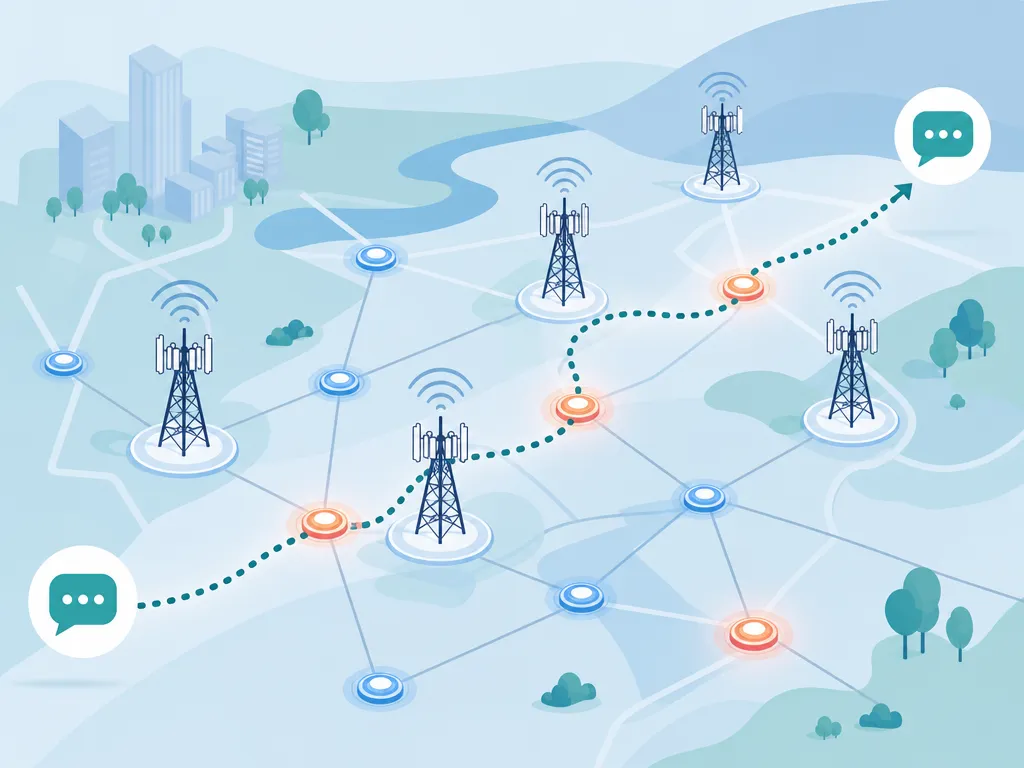
Before fixing the problem, it helps to know the journey a code takes. When you request a code, the service generates a random number and hands it to an SMS provider. That provider routes the message through one or more carrier networks. Finally, your phone's network receives it and displays the message.
Every step in that chain can fail. A single misconfigured route, a blocked sender ID, or a congested carrier can quietly swallow your code. Because there are so many handoffs, "the code didn't arrive" almost never has one universal cause.
This matters because the fix depends on where the failure happened. Sometimes it is on your side. Sometimes it is the service. Often it is the invisible middle layer between them.
The Most Common Reasons OTP Codes Don't Arrive
1. Carrier Filtering and Spam Blocking
Mobile carriers aggressively filter messages that look like spam. Automated OTP traffic often gets caught in these filters, especially if the sender's reputation is poor or the message volume spikes. Your code was sent, but the carrier quietly dropped it before it reached you.
This is one of the hardest issues to diagnose because nothing tells you it happened. The app says "code sent," yet your inbox stays empty.
2. Network Congestion and Delays
SMS is not guaranteed to be instant. During peak hours or major events, networks get congested and messages queue up. A code that should take five seconds might arrive twenty minutes later, long after the timer expired.
If you request three codes in a row out of frustration, they may all arrive at once later, and only the newest one will still be valid.
3. Incorrect or Outdated Phone Number
It sounds obvious, but a surprising number of failures come from a wrong number on file. A missing country code, a typo, or a number you changed months ago will silently break delivery. Always confirm the number shown matches the SIM currently in your phone.
4. Roaming and International Restrictions
When you travel, OTP delivery gets complicated. Some carriers do not reliably deliver international SMS while you roam. Others delay it heavily. If your bank sends a code to your home number while you are abroad, it may never surface.
This is a huge headache for travelers who need to log into accounts from another country. We will come back to this because there is a clean solution.
5. Full Message Storage or Blocked Senders
On older phones, a full SMS inbox can stop new messages from arriving. On any phone, you might have accidentally blocked a shortcode or marked a sender as spam. Both quietly prevent OTP delivery.
6. Do Not Disturb, Airplane Mode, and Weak Signal
A weak signal is enough to delay or drop an SMS. Airplane mode obviously blocks everything. And some Do Not Disturb or focus settings can suppress notifications so you never notice the code that did arrive. Check your notification shade before assuming the message is missing.
7. Dual-SIM Confusion
Many modern phones have two SIMs. If the service is texting one number but your data or default line is the other, you can miss codes entirely. Dual-SIM setups also sometimes route SMS to the wrong app or fail to display it clearly.
Quick Fixes to Try Right Now
When a code is missing, work through these in order. Most problems clear up within the first few steps.
- Wait two full minutes before requesting another code. Spamming the button often makes carrier filtering worse.
- Toggle airplane mode on and off to force your phone to re-register with the network. This clears many stuck-message situations.
- Check your signal and move to an area with better coverage if you can.
- Confirm the phone number on the account is correct, including country code.
- Look in spam or blocked messages and unblock any relevant shortcodes.
- Restart your phone. It sounds lazy, but it re-establishes your carrier connection cleanly.
- Try a voice call code if the service offers one. Voice OTP uses a different delivery path and often works when SMS fails.
If none of that works, the issue is likely upstream with the service or the carrier route, and you may need to contact support or try again later.
Why Travelers Struggle Most With OTP Codes
Roaming deserves its own section because it breaks OTP delivery in ways people never expect. Your home SIM might work for calls abroad but silently fail to receive automated SMS. Banks and platforms sometimes block or throttle codes sent to roaming numbers as a fraud precaution.
The result is a traveler locked out of an account in a foreign country, unable to receive the very code that would let them back in. It is a common and stressful scenario. If you rely on data roaming, delays get even worse because your phone spends time re-registering on foreign networks.
There is a cleaner approach. Instead of hoping your home number survives international roaming, you can use a dedicated virtual number to receive verification codes online. Our SMS verification service gives you numbers from 200+ countries that reliably receive codes for services like WhatsApp, Telegram, Google, and Instagram. If you want the full picture on doing this safely, our guide on how to receive SMS online safely walks through the details.
The Travel Connectivity Angle
Most travel data plans today are data-only. That is great for maps and messaging apps, but a data-only eSIM cannot receive a traditional SMS code on its own. This surprises a lot of people who assume any active plan means codes will arrive. Our explainer on whether an eSIM can receive verification SMS covers this nuance in depth.
The smart combination is simple. Use a travel eSIM for fast, affordable data wherever you land, and pair it with a virtual number for the actual verification codes. That way your connectivity and your OTP delivery are handled by two tools built for each job.
SMSBulk eSIM covers 200+ destinations with transparent pricing, instant QR delivery, and direct install on iOS. Because it lives in the same account and wallet as your SMS verification numbers, one balance handles both your data abroad and your codes. That is the angle no roaming plan gives you. If you are comparing options, our best eSIM for international travel guide breaks down what to look for.
When the Problem Is the Service, Not You
Sometimes you have done everything right and the code still never comes. A few signs point to the service side:
- Multiple people report the same issue on status pages or social media.
- The service recently changed SMS providers or had an outage.
- Codes work fine for other apps on the same phone at the same time.
In these cases, switching delivery methods helps. Try email verification if the service supports it, use an authenticator app, or request a call-based code. If a specific platform keeps failing, targeted guides can save time. For example, our piece on ChatGPT verification codes that never arrive tackles that exact scenario.
How to Prevent OTP Problems Going Forward
A little setup now saves headaches later. Keep your recovery methods current on every important account so a missing SMS is never your only way in. Add an authenticator app as a backup wherever you can. Store a couple of backup codes somewhere safe.
Before you travel, test your verification flow at home so you know which accounts rely on SMS. Then arrange a reliable way to receive codes abroad rather than trusting international roaming to behave. Planning ahead turns a potential lockout into a non-event.
Frequently Asked Questions
Why does my OTP arrive late instead of never? Usually network congestion or carrier queuing. The message was accepted but held in a backlog. By the time it arrives, the code has often expired.
Can a full inbox really block OTP codes? On some phones, yes. Clear old messages if you suspect this, then request a fresh code.
Is a voice call code safer than SMS? Not necessarily safer, but it uses a separate delivery path. If SMS is being filtered, a voice code often gets through.
Will a virtual number receive bank OTPs? It depends on the bank. Many block virtual numbers for financial logins. Virtual numbers shine for app signups, social platforms, and general verification rather than sensitive banking.
Get Started with SMSBulk
Stop gambling on whether a code will show up. With SMSBulk you get reliable virtual numbers from 200+ countries for SMS verification, an email verification API, and travel eSIMs that keep you online worldwide, all under one account and one wallet. Whether you are signing up for a new app or logging in from another continent, SMSBulk gives you a dependable way to receive the codes you need. Create an account today and take the guesswork out of OTP delivery.
Ready to verify accounts the easy way?
Get instant SMS codes from 200+ countries in under 30 seconds.