
Can eSIM Receive Verification SMS? What Travelers Need
The Short Answer
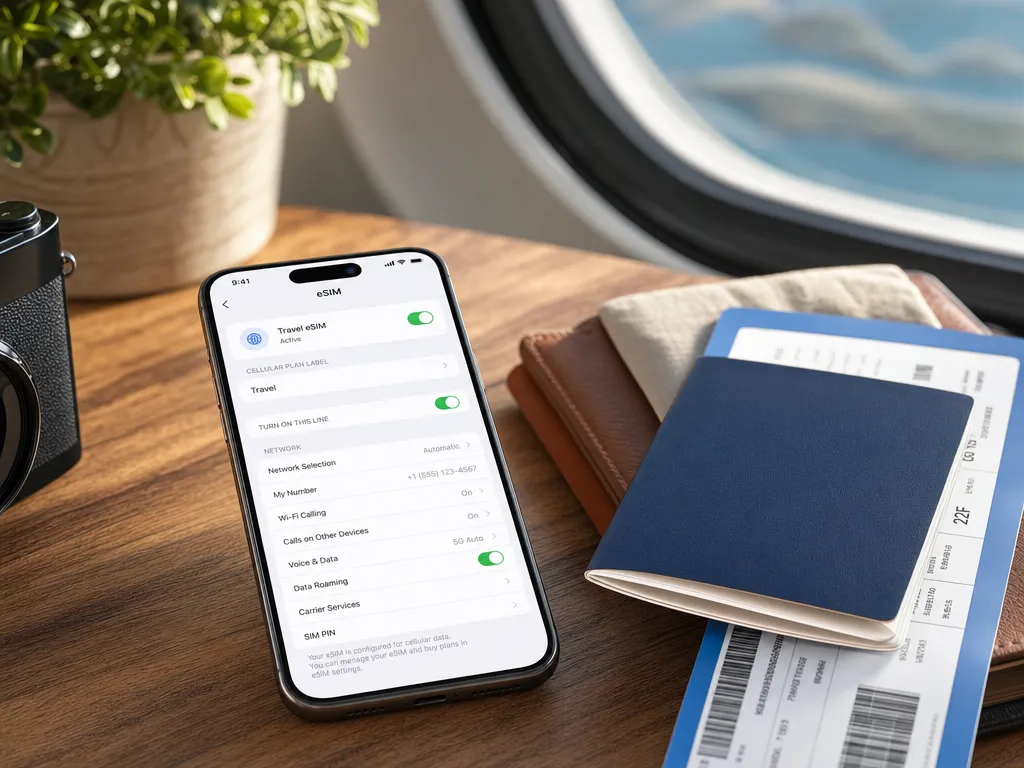
It depends on the type of eSIM you have. A standard mobile carrier eSIM with a phone number can receive verification SMS, just like a physical SIM. But most travel eSIMs sold for international trips are data-only. They give you internet access without a phone number attached, which means they cannot receive SMS or take calls.
This catches a lot of travelers off guard. You buy an eSIM for your trip, expect to receive a WhatsApp or bank verification code, and nothing arrives. The reason is simple: there is no phone number on a data-only plan, so there is nowhere for an SMS to land.
Let's break down exactly how this works and what to do about it.
Two Types of eSIM, Two Very Different Outcomes
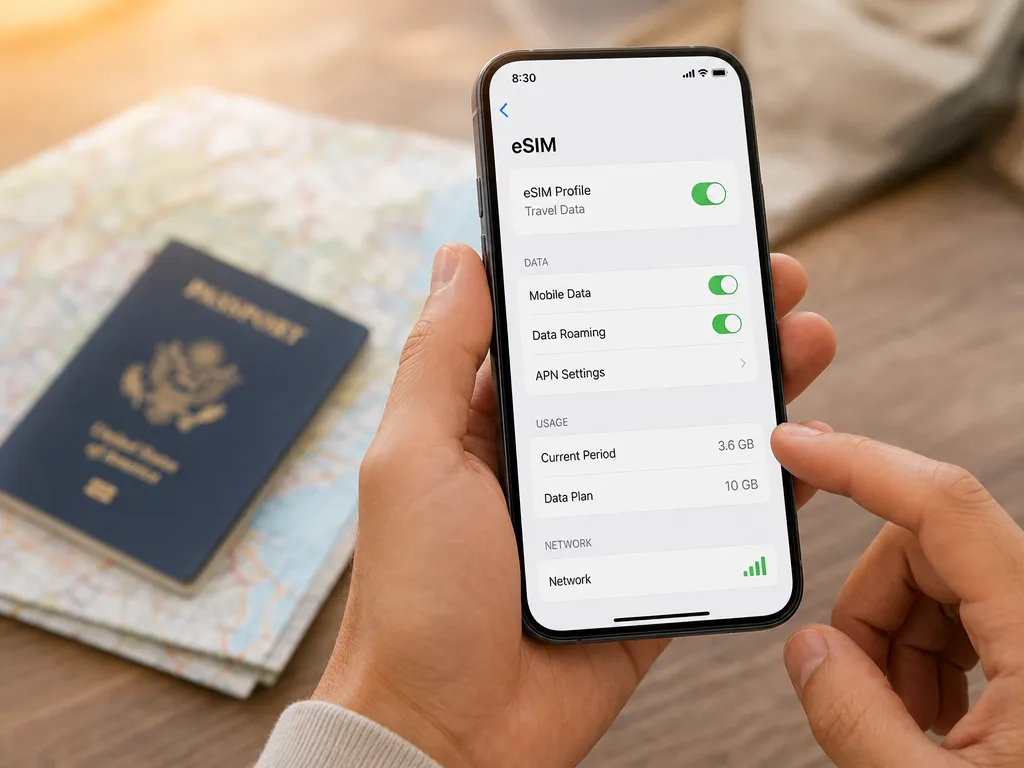
Understanding the difference saves you a lot of frustration before you fly.
Carrier eSIM (with a phone number)
This is the eSIM your home mobile operator might issue, or a local prepaid SIM converted to eSIM. It includes a real phone number (an MSISDN in technical terms). With this, you can:
- Make and receive regular calls
- Send and receive standard SMS, including verification codes
- Use mobile data
If you have this kind of eSIM, yes, it can receive verification SMS, subject to roaming agreements and whether the sender allows messages to your country.
Travel eSIM (data-only)
This is what most people buy for international trips. It is designed for one job: fast, affordable internet abroad. A data-only travel eSIM:
- Gives you mobile data in your destination
- Does not include a callable or textable phone number
- Cannot receive SMS verification codes
That is not a flaw. It is the design. Data-only plans avoid the cost and regulatory hassle of issuing real numbers, which is exactly why they stay affordable and instant. You can read more about how these plans work in our best eSIM for international travel guide.
Why Verification SMS Matters So Much When You Travel
The moment you change networks or log in from a new country, services get suspicious. That triggers more verification requests, not fewer. Common situations include:
- Banking apps asking for a one-time code before a transaction
- WhatsApp requesting re-verification after a SIM change
- Google, Instagram, or Telegram flagging a login from an unusual location
- Airline and hotel accounts confirming changes
If all of these send codes to your home number, and your home SIM is switched off to avoid roaming charges, you are locked out at the worst possible time. A data-only travel eSIM does not solve this, because it has no number to receive those codes.
How to Receive Verification SMS While Using a Travel eSIM
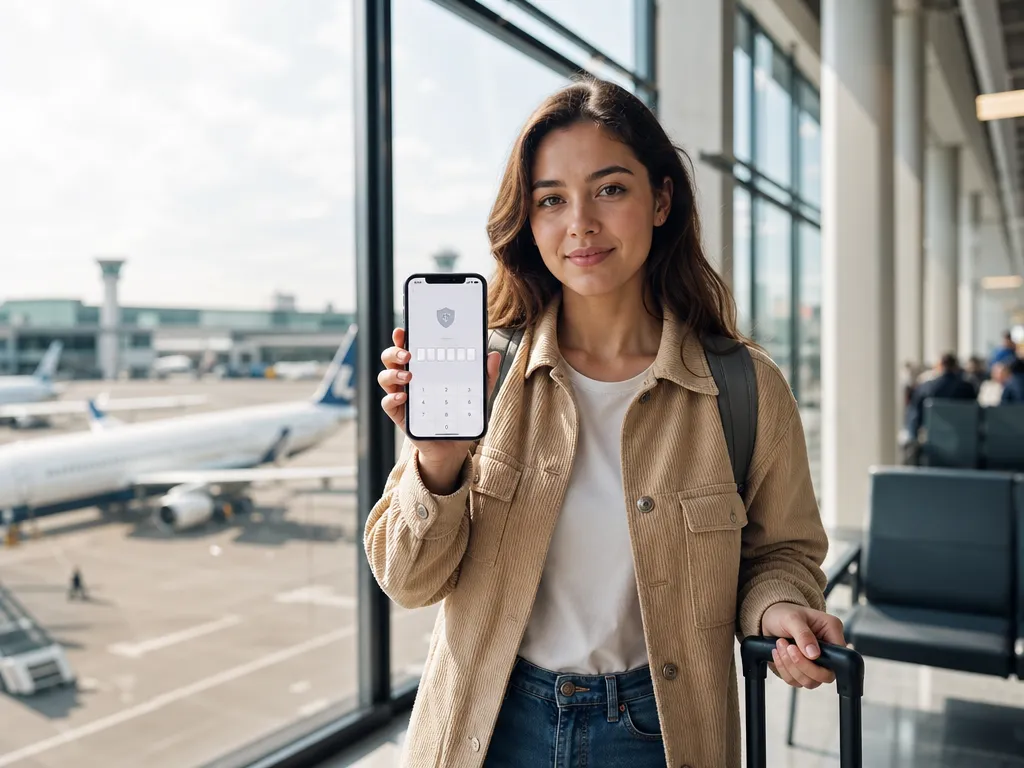
Here is the practical setup that actually works. You combine two things: a data eSIM for internet and a way to receive SMS codes.
Option 1: Keep your home number reachable
You can leave your home SIM active for incoming SMS while routing data through your travel eSIM. On most phones this is called Dual SIM with one line for data and another for calls and texts. The downside is that incoming SMS abroad can still incur roaming fees, and your home carrier must support roaming in your destination.
Option 2: Use a virtual number for verification
The cleaner approach for many travelers is a dedicated virtual number. Instead of relying on your home SIM, you receive verification codes online through a service built for exactly that. This is where pairing makes sense: a data-only travel eSIM for connectivity, plus a virtual number for codes.
SMSBulk, the platform behind this blog, was built around this pairing. You get SMS verification numbers from countries worldwide to receive codes for services like WhatsApp, Telegram, Google, and Instagram, all from the same account and wallet you use for your eSIM. If you are new to the concept, our virtual phone number guide explains it step by step.
Option 3: Use an authenticator app where possible
Many services now support app-based two-factor authentication (TOTP) instead of SMS. Setting this up before you travel removes the SMS dependency for those accounts entirely. It will not cover banks or WhatsApp activation, but it reduces how many codes you need to receive on the road.
The SMSBulk Approach: One Account for Data and Codes
This is the gap most travelers do not anticipate, and it is exactly why SMSBulk pairs both products under one roof.
With SMSBulk eSIM, you buy a prepaid data plan for your destination, get an instant QR code, and install it in minutes. On iPhone there is even direct install, so you skip scanning a QR entirely. Pricing is transparent, and coverage spans 200+ destinations. You can check the full country coverage list before you go.
The eSIM handles your internet. For verification codes, you top up the same wallet and grab a virtual number when you need one. No second app, no second login, no separate billing. A data-only eSIM plus an SMSBulk virtual number covers everything a connected traveler actually needs.
Step by Step: Staying Verified Abroad
Here is a checklist you can follow before and during your trip.
- Before you leave, list every app that sends you SMS codes (banking, messaging, email, social).
- Switch what you can to authenticator apps so fewer accounts rely on SMS.
- Buy your travel eSIM and confirm it is data-only (most are). Install it but keep it on standby until you arrive.
- Decide how you'll receive codes: keep your home SIM reachable, or set up a virtual number.
- On arrival, activate the eSIM for data and connect to the network.
- When a service asks for a code, receive it on your virtual number or your reachable home line.
- Monitor your data balance through your account so you are never caught offline mid-verification.
Common Misunderstandings
"My eSIM has signal, so it must be able to receive SMS"
Signal and data connection are not the same as having a phone number. A data-only eSIM can show full bars and fast internet while still being unable to receive a single text. The presence of a network does not mean there is a number attached.
"I'll just use WhatsApp to verify everything"
WhatsApp itself needs an SMS or call to activate or re-verify after a SIM change. If you reinstall it abroad on a data-only eSIM, you still need a number to receive that activation code. This is one of the most common lockouts travelers hit.
"Roaming will handle my codes"
Roaming can deliver SMS to your home number, but often at a cost, and only where your carrier has agreements. Some senders also block international delivery. Relying on it alone is risky.
FAQ
Can any travel eSIM receive SMS? Most cannot, because they are data-only and have no phone number. A few specialized plans include a number, but they are the exception, not the rule.
Does SMSBulk eSIM include a phone number? SMSBulk travel eSIMs are data plans focused on fast, affordable internet. For verification codes, you pair the eSIM with an SMSBulk virtual number from the same account.
Can I receive WhatsApp codes on a virtual number? Yes. A virtual number is designed to receive SMS verification codes for services like WhatsApp, Telegram, Google, and more.
Will my home number still get codes if I use a travel eSIM for data? Only if your home SIM stays active and your carrier supports roaming where you are. Otherwise, incoming SMS may not reach you.
Is an authenticator app better than SMS abroad? For accounts that support it, yes. App-based codes work over any data connection and do not depend on a phone number at all.
Get Started with SMSBulk
A travel eSIM keeps you online, but it will not receive your verification codes on its own. That is the part most travelers discover too late. SMSBulk solves both halves from a single account: grab a data plan for your destination at SMSBulk eSIM, then pull a virtual number whenever a service asks for a code. One wallet, transparent pricing, and coverage across 200+ destinations. Set it up before you fly and stay connected and verified wherever you land.
¿Listo para verificar cuentas de forma fácil?
Obtén códigos SMS al instante de 190+ países en menos de 30 segundos.