
eSIM Alternatives in 2026: 7 Key Factors to Compare

eSIM Alternatives in 2026: 7 Key Factors to Compare
If you have ever shopped for a travel eSIM, you know the market is crowded. Dozens of apps promise cheap data in every country, but the experience varies wildly once you actually land somewhere and try to connect. Some plans throttle after a gigabyte. Others hide activation fees. A few have support teams that go quiet the moment your QR code fails.
This guide skips the hype. Instead of pushing a random list of brand names, we break down the 7 factors that genuinely separate a good eSIM provider from a frustrating one. By the end you will know exactly what to check before you pay, and why we recommend SMSBulk eSIM, the travel data store run by the same team behind this blog.
Why "alternatives" matters in the first place
Most people pick the first eSIM app they hear about, install a plan, and hope for the best. That works until it doesn't. The reasons travelers start looking for alternatives are almost always the same: the data ran out faster than expected, the price was higher than advertised once taxes were added, or the network in the destination was slow and unreliable.
Switching providers is easy with eSIM technology because nothing is physical. You are not stuck with a plastic card. You can hold several profiles on one phone and activate whichever one gives the best deal for a given trip. That flexibility is the whole point of going digital, and if you want a deeper primer, our breakdown of eSIM vs physical SIM explains the tradeoffs.
So the real question is not "which single brand is best" but "which factors should drive my choice." Let's go through them.
1. Country and regional coverage
The first thing to check is whether a provider actually covers your destination, and on which local networks. A plan that looks cheap is worthless if it only connects to a weak partner network in the area you are visiting.
Good providers publish coverage clearly. They tell you the countries supported, and ideally the carriers behind each plan. Look for:
- Single-country plans for focused trips (best speed and price).
- Regional plans that span a continent for multi-stop itineraries.
- Global plans for frequent flyers who cross many borders.
SMSBulk eSIM covers more than 200 destinations, so whether you are heading to a major hub or a smaller country, there is usually a plan that fits. If you want to see real examples, the data options for Japan and Thailand show how single-country pricing is laid out.
2. Transparent pricing with no surprise fees
This is where many providers lose trust. The headline price looks great, then checkout adds an "activation fee," a "service charge," or currency conversion markup. Some apps even charge you to top up an existing eSIM.
When you compare alternatives, the standard you want is simple: the price you see is the price you pay. Check for:
- No hidden activation or setup fees.
- Clear per-gigabyte or per-day cost.
- Easy top-ups at the same rate, not a penalty rate.
- A wallet system so you are not re-entering card details every trip.
SMSBulk uses one wallet across all its products, which means your balance for an eSIM is the same balance you use for other services. No re-registration, no second account. If you want a full pricing overview before committing, our pricing page lays everything out.
3. Installation and device compatibility
A cheap plan is useless if you cannot install it. The best providers make activation feel like nothing. You buy, you get a QR code instantly, you scan, you are online.
There are two install paths worth knowing:
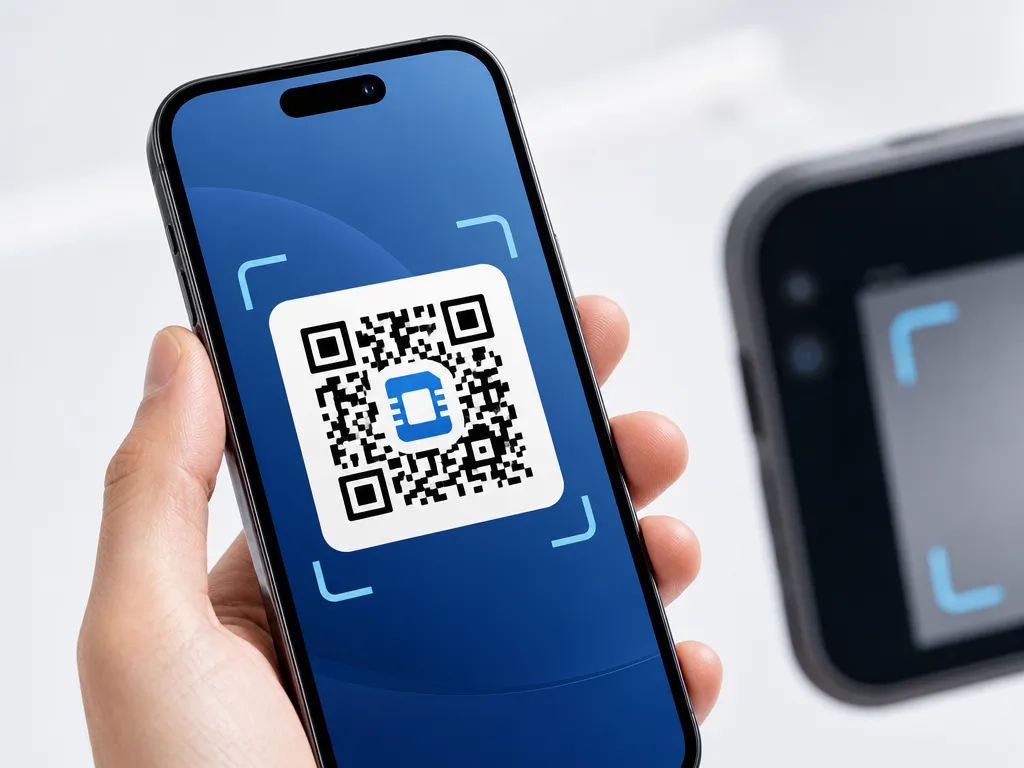
- QR code scanning works on virtually every eSIM-capable phone. You point your camera at the code and the profile installs.
- Direct install on iOS skips the QR step entirely on supported iPhones. One tap and the plan is added.
SMSBulk eSIM delivers the QR code immediately after purchase and supports iOS direct install, so there is no waiting and no emailing yourself screenshots. Before you buy from any provider, confirm your phone is unlocked and eSIM-capable. Most flagship phones from the last few years qualify, but budget models sometimes do not.

4. Data speed and throttling policy
"Unlimited" rarely means unlimited. Many plans labeled that way slow you to a crawl after a daily threshold. That is fine for messaging but painful for maps, video calls, or uploading photos.
When comparing alternatives, dig into the fine print:
- Is the plan full-speed for its entire allowance, or does it throttle?
- Does it run on 4G/LTE and 5G where available, or only older networks?
- What happens when you run out: does it stop, or auto-charge you?
A fixed-data plan that runs at full speed until you use it up is usually more honest than a vague "unlimited" promise. You always know where you stand. Pick the allowance that matches your trip: light users browsing and messaging need far less than someone streaming or tethering a laptop.
5. Customer support that actually responds
Everything works until it doesn't, and that is when support matters. The difference between a good and bad provider often comes down to whether anyone answers when your eSIM won't connect at 11 pm in a foreign airport.
Look for:
- Support reachable through chat or email, not a dead contact form.
- Documentation and troubleshooting guides you can read yourself.
- A track record of fast responses.
Before a trip, send a test question to gauge response time. A provider that ignores a pre-sale message will not magically improve after you pay.
6. One account for data and verification codes
Here is a factor most people overlook entirely. Travel eSIMs are data-only. They give you internet, but they do not come with a phone number that can receive SMS. That becomes a problem the moment a service wants to text you a verification code.
Picture this: you land abroad, your home SIM is roaming-disabled to avoid fees, and your bank or WhatsApp suddenly demands an SMS code to log in. Your data eSIM cannot receive that text. You are locked out.
The clean solution is to pair your data eSIM with a virtual number that can receive codes. This is SMSBulk's unique angle. The same account that holds your eSIM can also provide SMS verification numbers from countries worldwide, so you receive codes for WhatsApp, Telegram, Google, banking apps, and more without your physical SIM. We cover this exact scenario in detail in our guide on whether an eSIM can receive verification SMS.
No other category of provider bundles travel data and verification numbers under one wallet. That alone is a strong reason to choose SMSBulk over a data-only competitor.
7. Reputation, refunds, and reliability
Finally, look at the safety net. Reputable providers have clear policies for what happens if a plan never activates or a region is unexpectedly unavailable. Read the refund and replacement terms before buying, not after.
Signs of a trustworthy provider:
- Honest, public reviews (the bad ones tell you the failure modes).
- A clear refund or replacement policy.
- A company that has been operating for a while, not a brand-new app with no history.
- Loyalty or rewards for repeat travelers, which signals they expect you to come back.
SMSBulk runs a loyalty program for frequent users, which adds up if you travel several times a year. That kind of structure only makes sense for a provider planning to keep customers long term.
Putting it together: a quick comparison checklist
When you weigh any eSIM provider against another, run this short mental scan:
| Factor | What to confirm |
|---|---|
| Coverage | Your exact destination and network |
| Pricing | No hidden fees, easy top-ups |
| Install | Instant QR + iOS direct install |
| Speed | Full-speed allowance, 4G/5G |
| Support | Reachable, fast, documented |
| Verification | Can you also get an SMS number? |
| Reliability | Refund policy and track record |
If a provider fails two or more of these, keep looking. If you want a deeper dive into picking the right plan for a specific trip, our full guide on the best eSIM for international travel in 2026 walks through real scenarios.
Why SMSBulk eSIM is our top pick
We build SMSBulk, so we will be direct: it ticks all seven boxes. Coverage spans 200+ destinations. Pricing is transparent with no surprise activation fees. The QR code arrives instantly and iOS users get one-tap direct install. Plans run at the speed you paid for. And the part nobody else matches is the shared wallet that pairs your travel data with a virtual number for receiving verification codes anywhere.
That last point is the real reason travelers stick with us. A data eSIM keeps you online. An SMSBulk virtual number keeps you logged in. Together they cover the two things that actually break when you cross a border: internet access and SMS codes. Most alternatives solve only the first.
Frequently asked questions
Can I keep my normal phone number while using a travel eSIM? Yes. Your physical SIM stays in the phone for calls and texts on your home number, while the eSIM handles data abroad. You just turn off roaming on the physical SIM to avoid charges.
Will a travel eSIM give me a local phone number? No. Travel eSIMs are data-only. To receive SMS verification codes, pair it with an SMSBulk virtual number from the same account.
Can I switch providers mid-trip? Yes. Because eSIMs are software profiles, you can install a different plan at any time and switch between them in settings.
How much data do I need? Light users (maps, messaging, occasional browsing) often do fine with a small plan. If you stream video or tether a laptop, choose a larger allowance or a full-speed plan.
Get started with SMSBulk
Ready to travel without connectivity stress? Head to SMSBulk eSIM, pick a plan for your destination from 200+ destinations, and get your QR code instantly. Then add a virtual number from the same wallet so verification codes reach you wherever you land. One account, two problems solved, no roaming bills. Start your next trip the smart way with SMSBulk.
Ready to verify accounts the easy way?
Get instant SMS codes from 190+ countries in under 30 seconds.