
SMS Verification vs Email Verification: Which to Use?
SMS Verification vs Email Verification: The Core Question
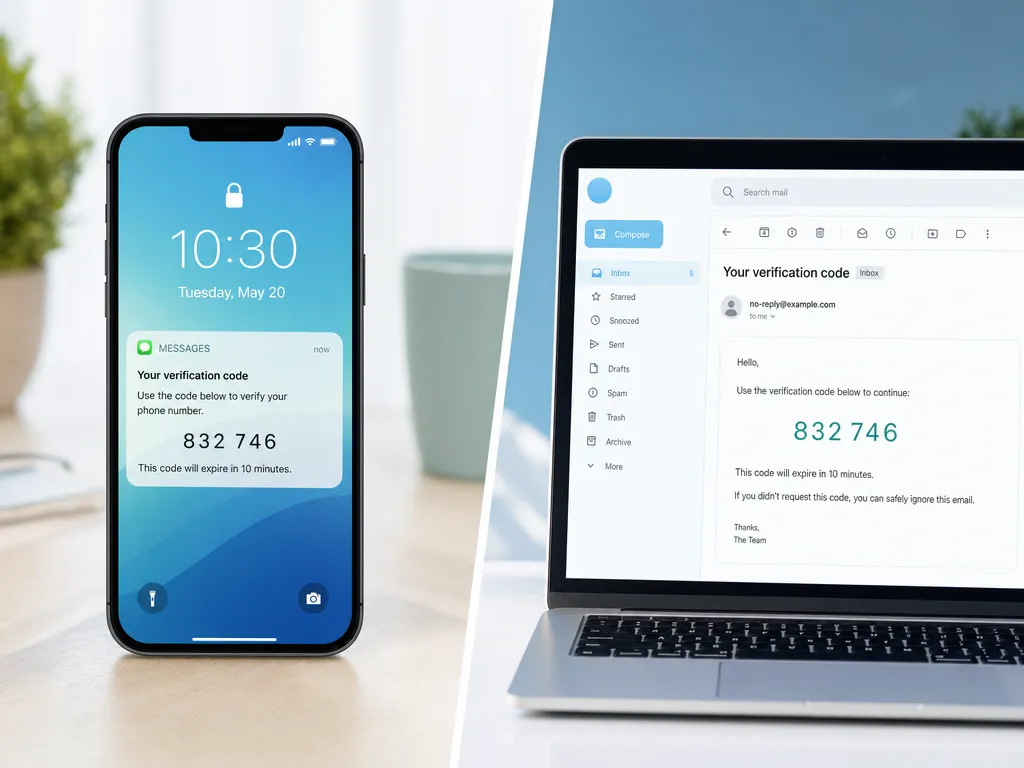
Every signup flow faces the same decision. Do you confirm a user with a text message or an email link? Both methods verify that a contact detail is real and belongs to the person creating the account. Both reduce spam and fake registrations. But they behave very differently in practice.
The right choice depends on your audience, your security needs, and your budget. This guide breaks down the differences so you can pick the method that actually fits your product.
How Each Method Actually Works
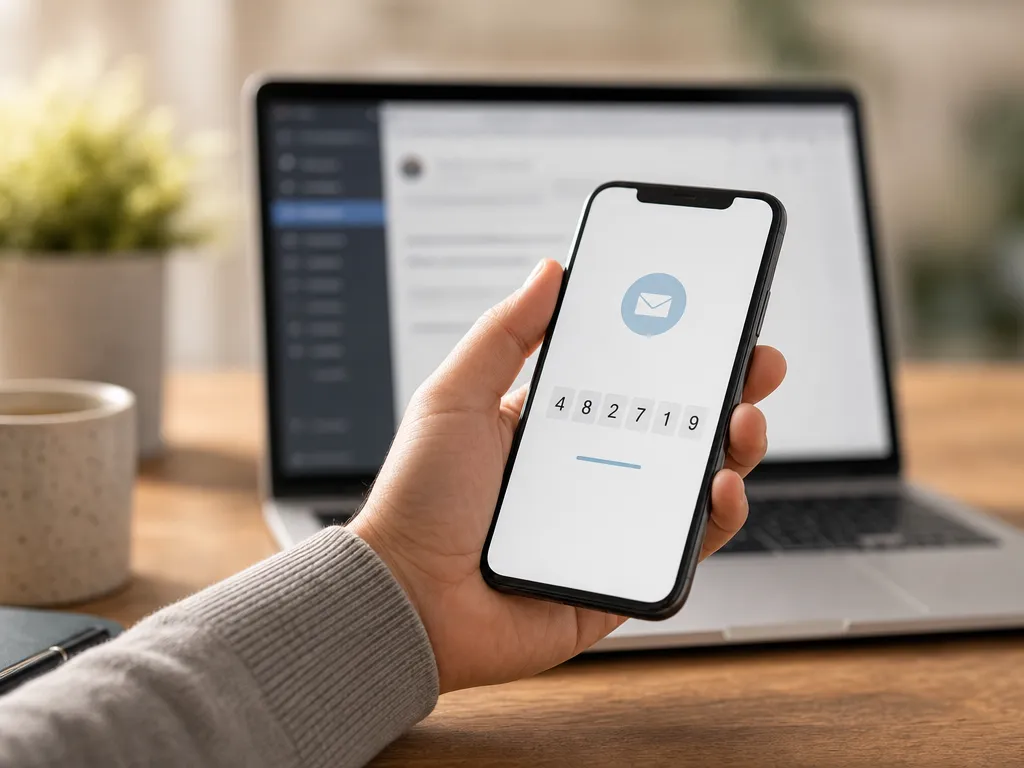
SMS verification sends a one-time code (usually 4 to 6 digits) to a phone number. The user types it back into your app within a short window. If it matches, the number is confirmed. This is the backbone of two-factor authentication on most major platforms.
Email verification sends a message containing either a code or a clickable confirmation link. The user opens their inbox, clicks the link, and the address is marked valid. Some flows use a code instead of a link to keep the experience consistent with SMS.
Both approaches share the same goal. They prove control of a channel. The differences show up in speed, reliability, and how hard each is to fake.
Speed and User Experience
SMS wins on immediacy. Text messages typically arrive in seconds, and the code sits right on the lock screen. Users do not switch apps. This matters a lot during onboarding, where every extra step loses people.
Email introduces friction. The user must leave your app, open a mail client, possibly check a spam folder, and click back. Delivery can take seconds or several minutes depending on the provider. On mobile especially, that context switch causes drop-off.
That said, email shines when the user is already at a desktop and expects a slower, more deliberate flow. Account recovery and newsletter confirmation are good examples.
Quick comparison
- Delivery time: SMS is near-instant; email varies from seconds to minutes.
- Steps required: SMS keeps users in your app; email forces a switch.
- Mobile friendliness: SMS is smoother; email risks lost momentum.
- Desktop friendliness: Both work well; email feels natural.
Security: Which Is Harder to Fake?
Security is where the comparison gets interesting. Neither method is perfect, and the threat model matters.
Email addresses are cheap and easy to create in bulk. Anyone can spin up disposable inboxes in seconds, which makes email-only verification weaker against automated fake signups. Phishing also targets email heavily, so a stolen inbox can unlock many accounts at once.
Phone numbers carry more friction to obtain, so SMS verification raises the bar for mass fake registration. A real number ties an account to something harder to mass-produce. However, SMS has its own risks: SIM-swapping attacks and interception of codes are real concerns for high-value targets.
The strongest setups use both. Email for the primary account identifier and SMS for sensitive actions like login from a new device or a password change. Layering channels is more resilient than relying on either alone.
A good rule: use the channel that is hardest for an attacker to control for your most sensitive actions.
Cost Considerations
Email is cheaper to send at scale. The marginal cost of an email is tiny, which is why high-volume platforms lean on it for routine confirmations.
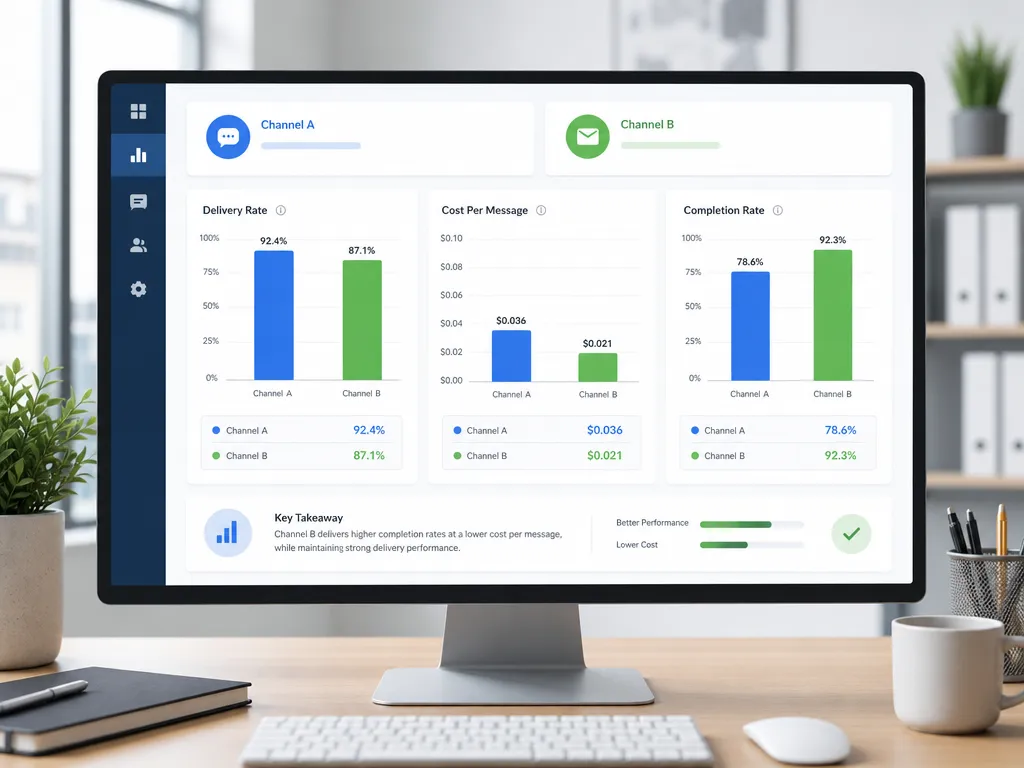
SMS carries a per-message cost that varies by country and carrier. For businesses sending millions of codes, that adds up. The trade-off is that SMS often delivers higher completion rates, so the cost can pay for itself in conversions.
A smart approach mixes both. Use email for low-risk, high-volume confirmations and reserve SMS for moments where security or completion rate justify the spend.
Deliverability and Reach
Email deliverability is a moving target. Spam filters, sender reputation, and inbox rules can silently swallow your message. A verification email that lands in spam is effectively a failed verification, and the user has no idea what went wrong.
SMS deliverability is generally more predictable, though it depends on carrier routes and country rules. In regions with strict messaging regulations, certain codes can be delayed or filtered. Reach is also a factor: nearly everyone has a phone number, but not everyone checks email regularly.
For a global product, you may need both to cover every user. Some markets prefer SMS by default; others rely heavily on email. Knowing your audience prevents avoidable failures.
When to Choose SMS Verification
Reach for SMS when:
- Onboarding speed matters and you want to minimize drop-off.
- You need stronger anti-fraud protection against mass fake accounts.
- The action is sensitive, like financial transactions or new-device logins.
- Your audience is mobile-first and lives inside apps.
SMS verification is also essential when testing or registering across platforms that require a phone number. Services like WhatsApp, Telegram, Google, and Instagram often demand an SMS code before granting access. This is exactly where virtual numbers help. With SMSBulk you can receive verification codes from countries worldwide without buying a local SIM, which is useful for developers, testers, and anyone managing multiple regional accounts.
When to Choose Email Verification
Reach for email when:
- Volume is high and per-message cost matters.
- The action is low-risk, like confirming a newsletter or a basic account.
- You want a written record the user can reference later.
- Your audience is desktop-oriented or expects email-based workflows.
Email verification is also the natural fit for transactional confirmations, receipts, and recovery flows. To automate this cleanly, SMSBulk offers an Email verification API that mirrors the SMS API, so you can validate addresses programmatically with the same account and the same workflow.
Can You Use Both Together?
Yes, and most mature products do. The pattern looks like this:
- Email at signup to establish the account identifier and send confirmations.
- SMS for two-factor on login and sensitive changes.
- Fallback logic so that if one channel fails, the other can step in.
Combining both gives you the cost efficiency of email and the security and immediacy of SMS. It also covers users who strongly prefer one channel over the other. The key is to keep the experience consistent: use the same code length, the same expiry window, and clear messaging about which channel to check.
A simple decision checklist
- Is the action sensitive? Lean SMS.
- Is volume huge and risk low? Lean email.
- Is your audience mobile-first? Lean SMS.
- Do you need a paper trail? Lean email.
- Want maximum resilience? Use both.
Common Mistakes to Avoid
A few traps catch teams repeatedly. First, do not make codes expire too quickly. A 30-second window frustrates users who switch apps to copy a code. Aim for a few minutes.
Second, always show clear error states. If a code is wrong or expired, say so plainly and offer a resend button. Silent failures destroy trust.
Third, do not rely on email alone for high-value accounts. Disposable inboxes make that flow easy to abuse. And finally, test deliverability across the actual countries and carriers your users live in, not just your own region.
The Bottom Line
There is no single winner. SMS verification is faster, harder to fake in bulk, and ideal for sensitive actions and mobile-first audiences. Email verification is cheaper at scale, better for high-volume low-risk confirmations, and gives users a written record.
The best products treat them as complementary tools rather than competitors. Match the channel to the moment, layer them for security, and always test real-world delivery.
Get Started with SMSBulk
Whether you need SMS codes or email validation, SMSBulk gives you both from one platform and one wallet. Receive verification codes from countries worldwide with virtual numbers, or plug into our Email verification API to validate addresses at scale. Create your account, top up your balance, and start verifying in minutes. SMSBulk keeps your signup flows fast, secure, and ready for users anywhere in the world.
هل أنت مستعد للتحقق من الحسابات بسهولة؟
احصل على رموز SMS فورية من 190+ دولة في أقل من 30 ثانية.